The Lost Way
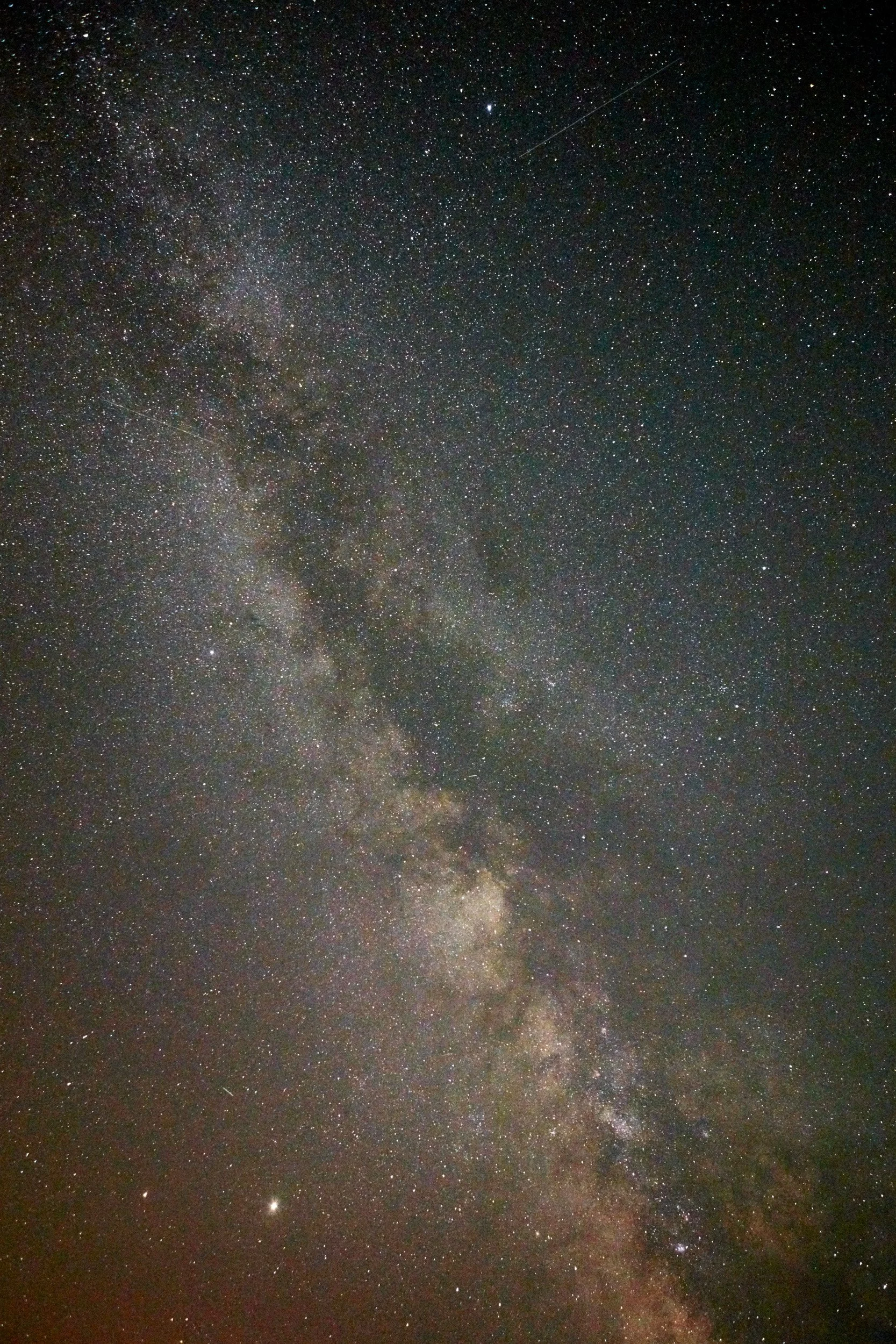
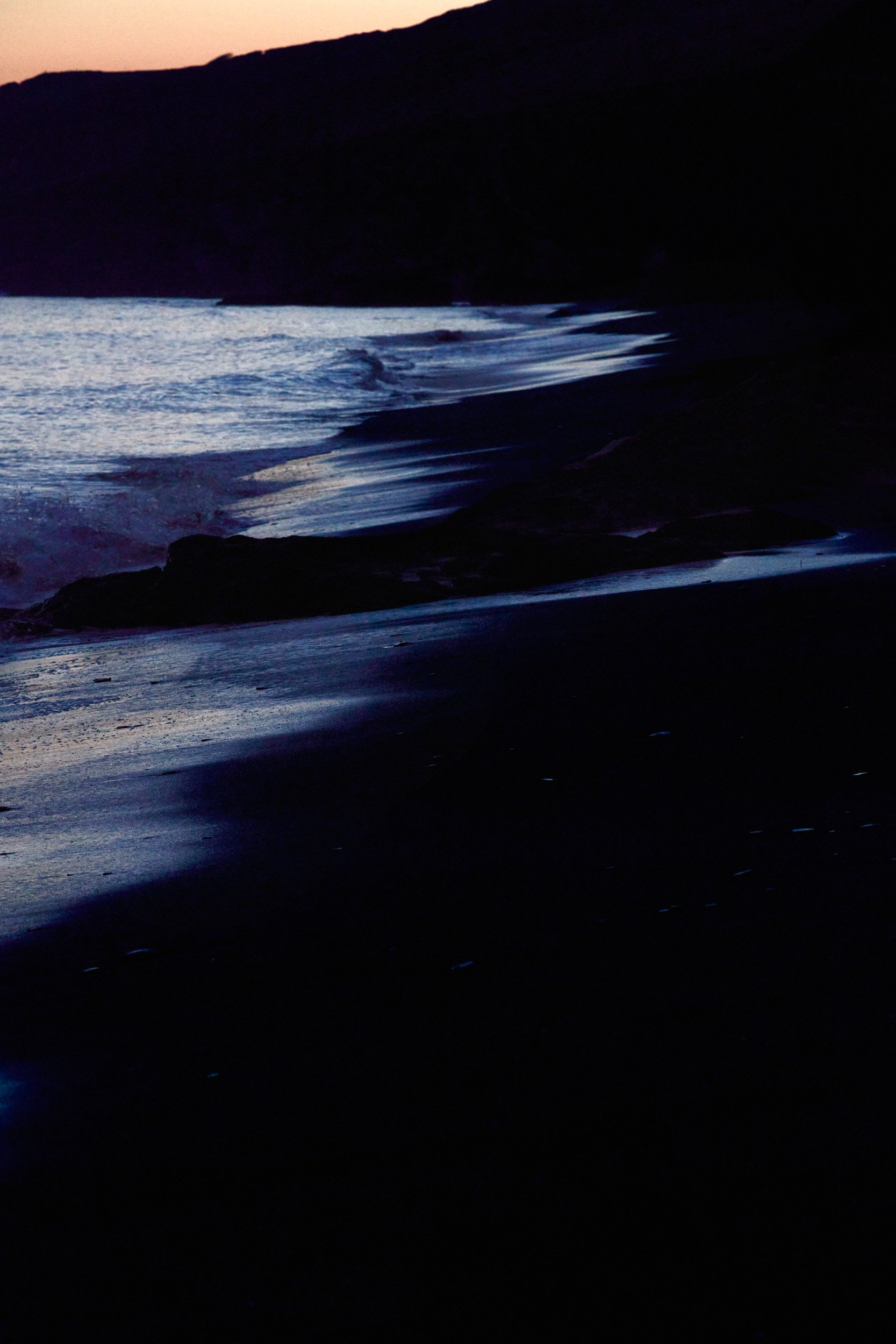
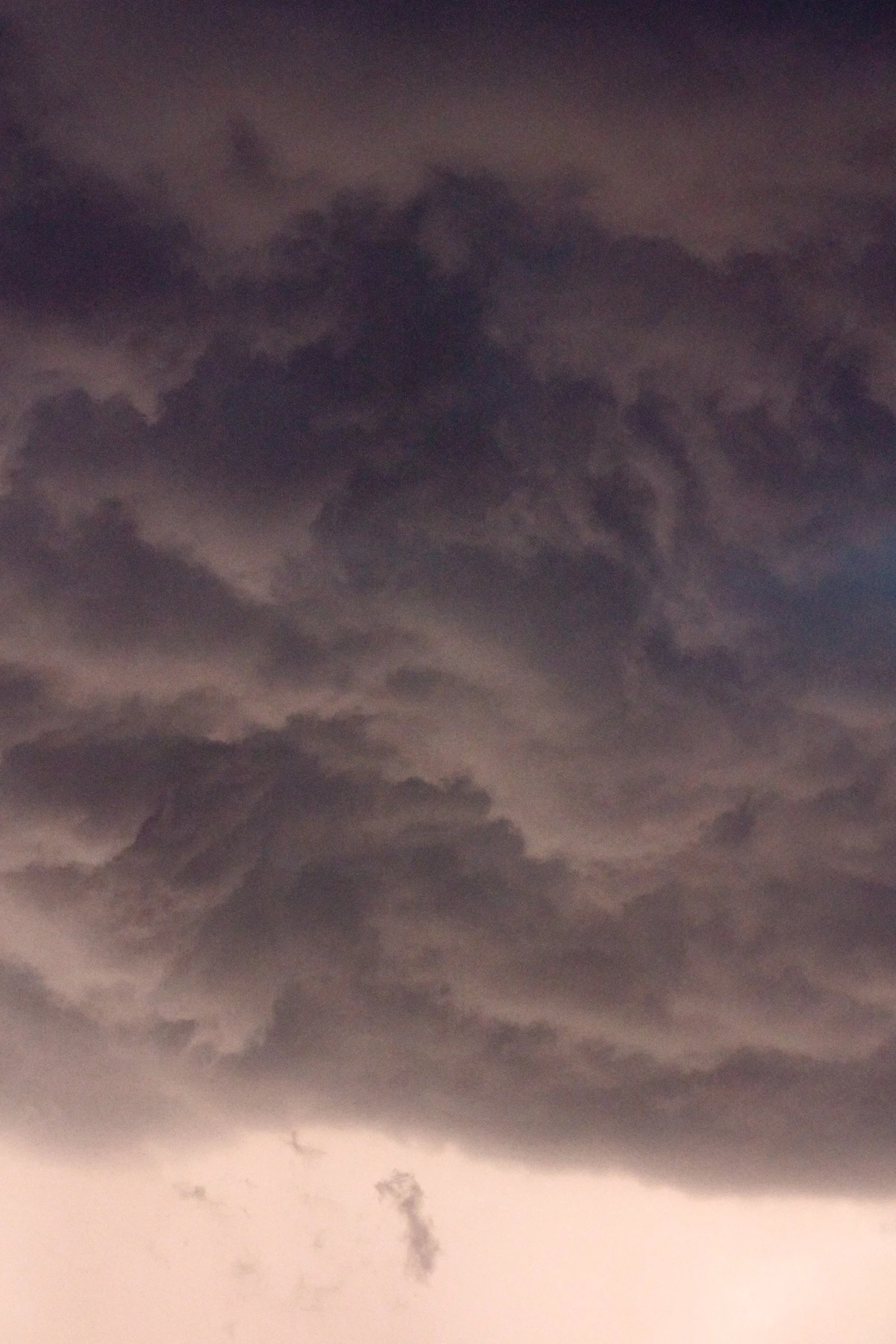
Natural navigation became a way of exploring the countryside, placing emphasis on the journey rather than the destination. Initially driven by an attempt to identify signs and symbols in nature, and inspired by the teachings of Tristan Gooley, the work quickly evolved into a deeper exploration of the experience of getting lost.
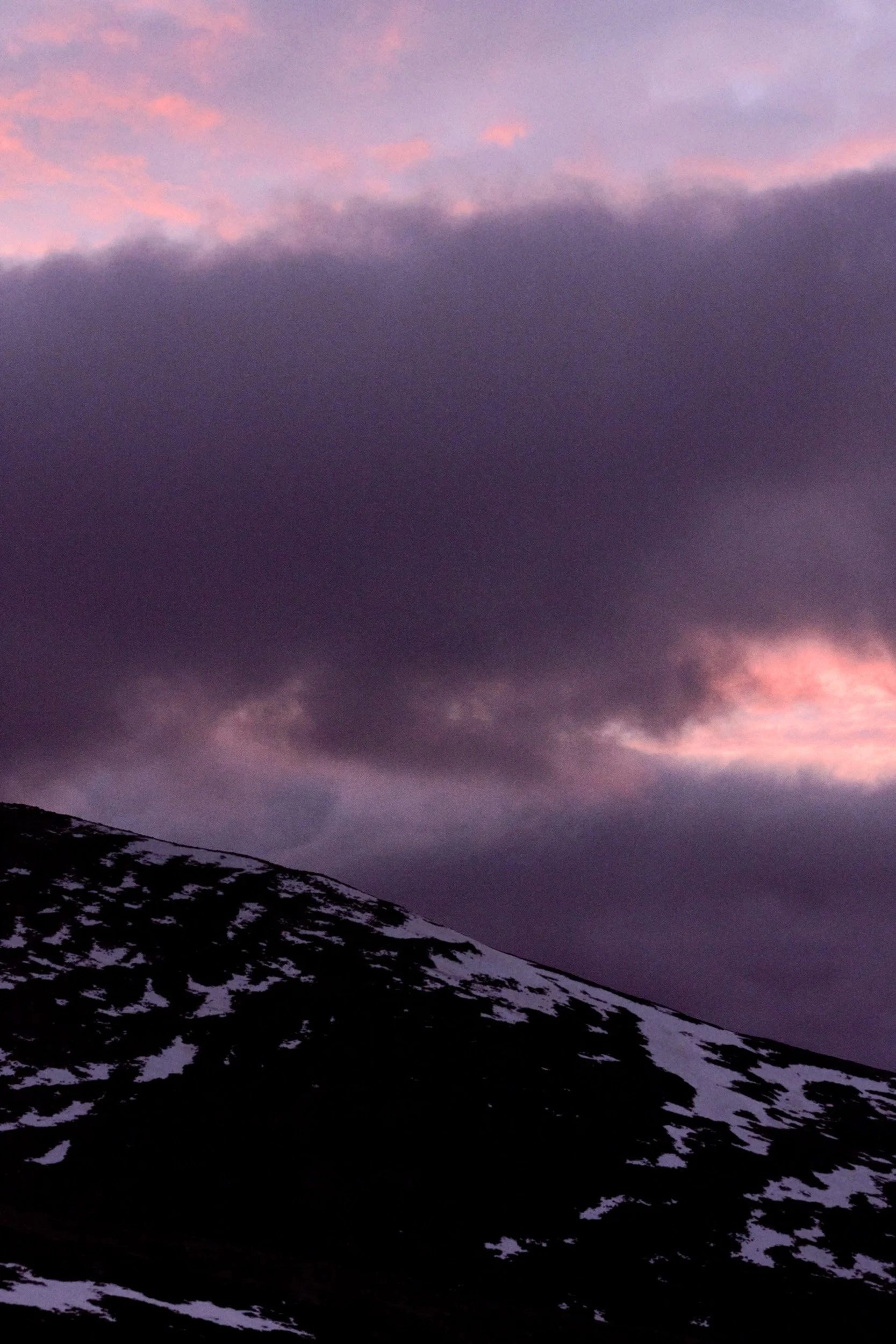
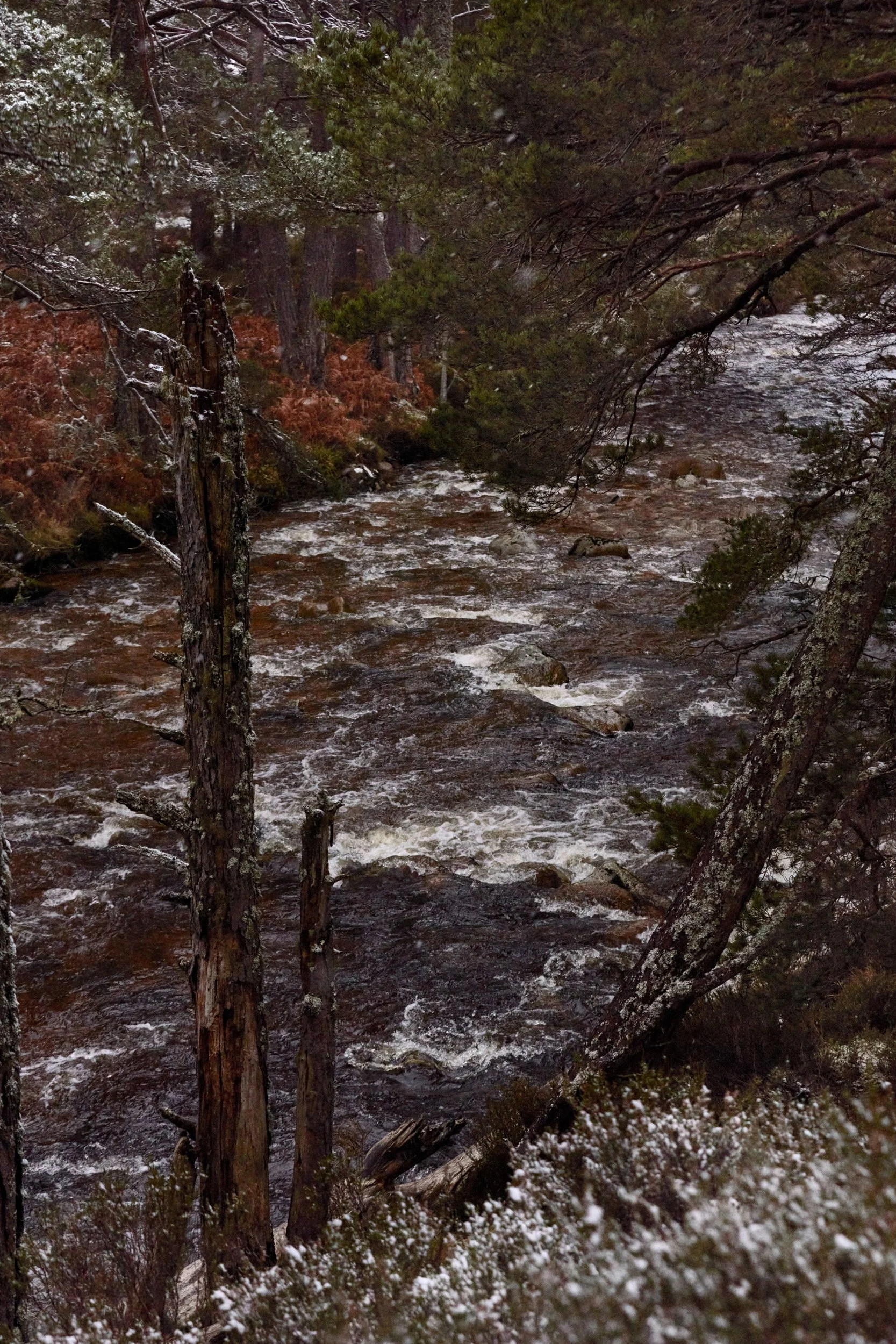
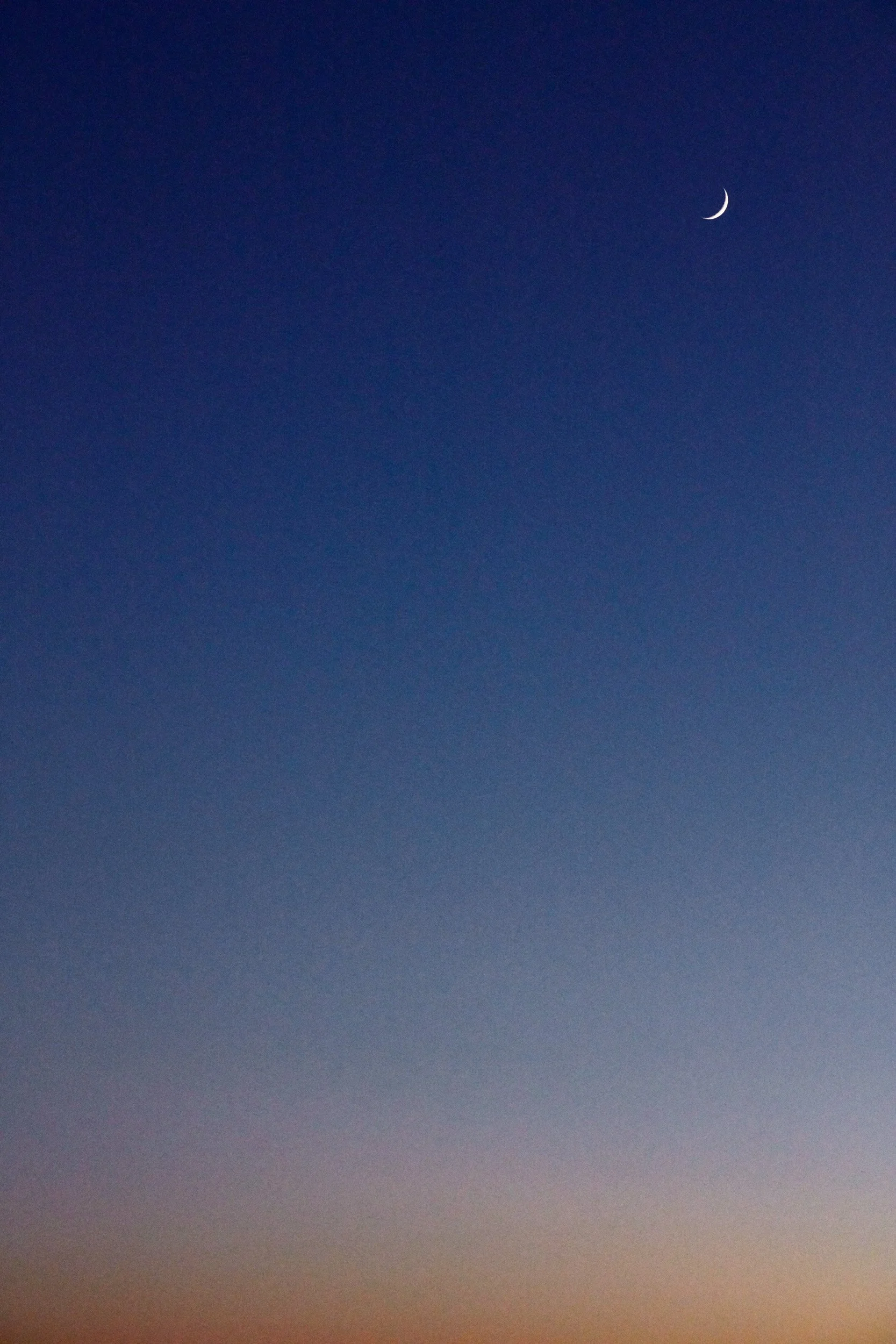
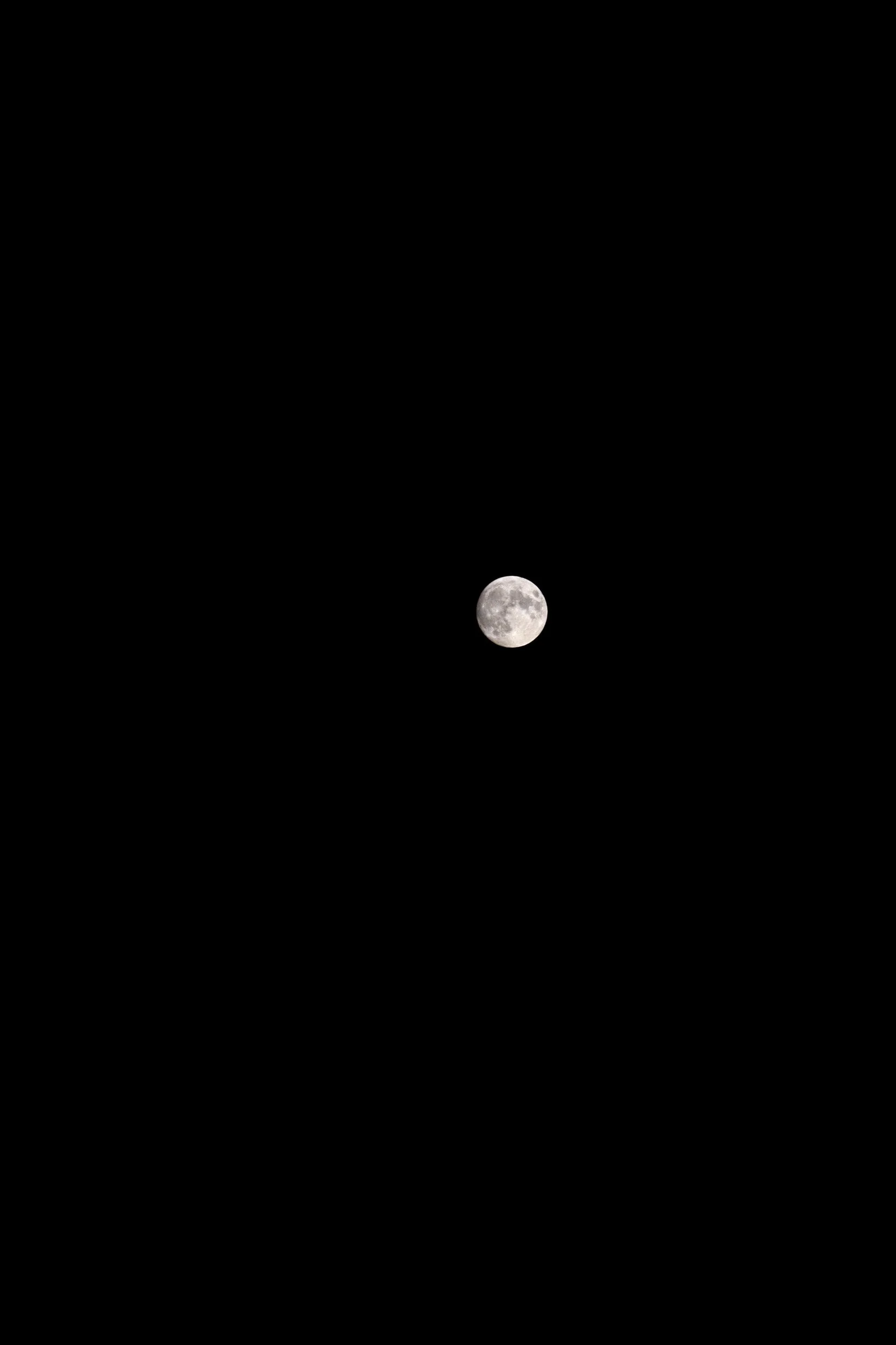
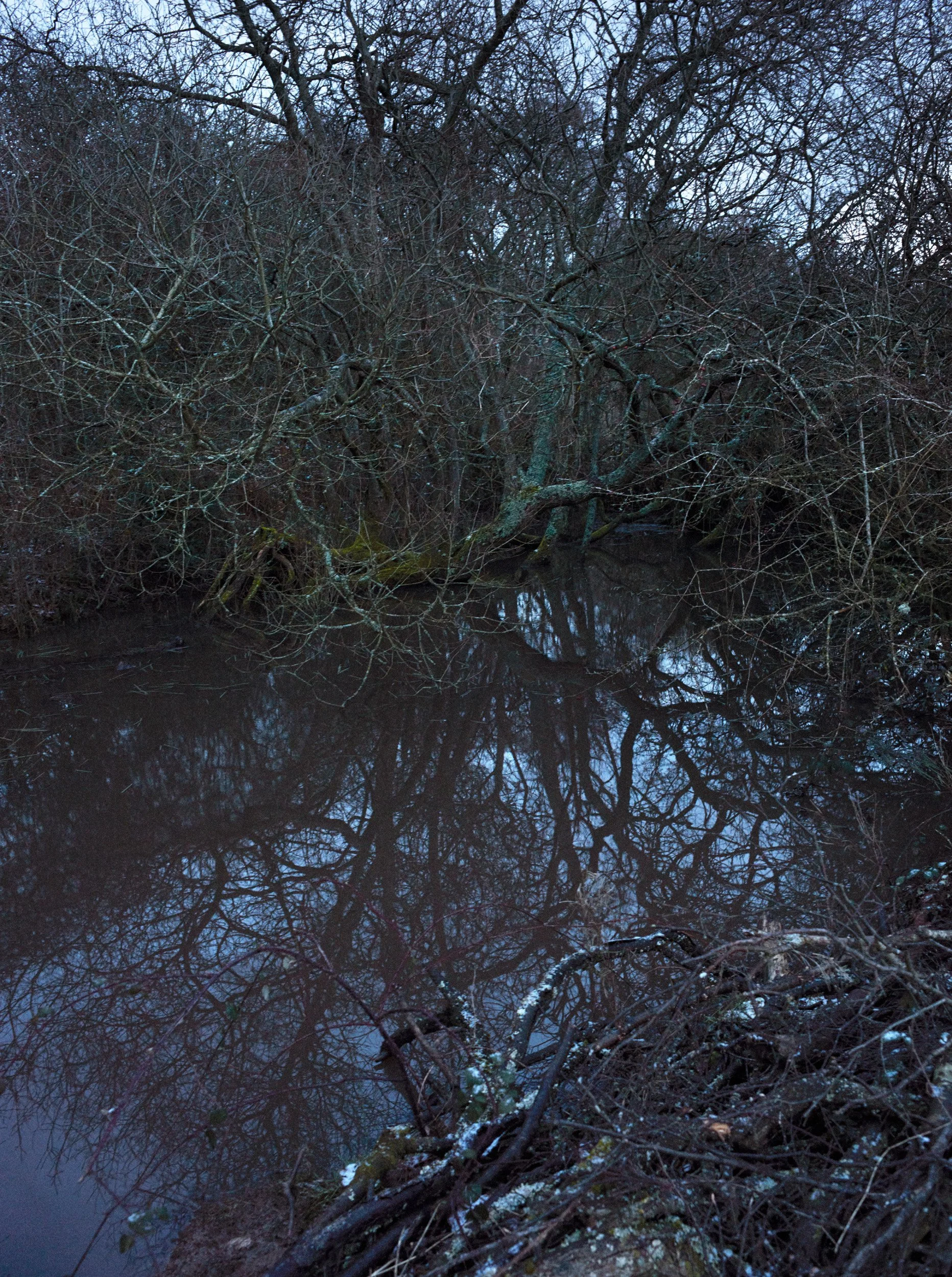
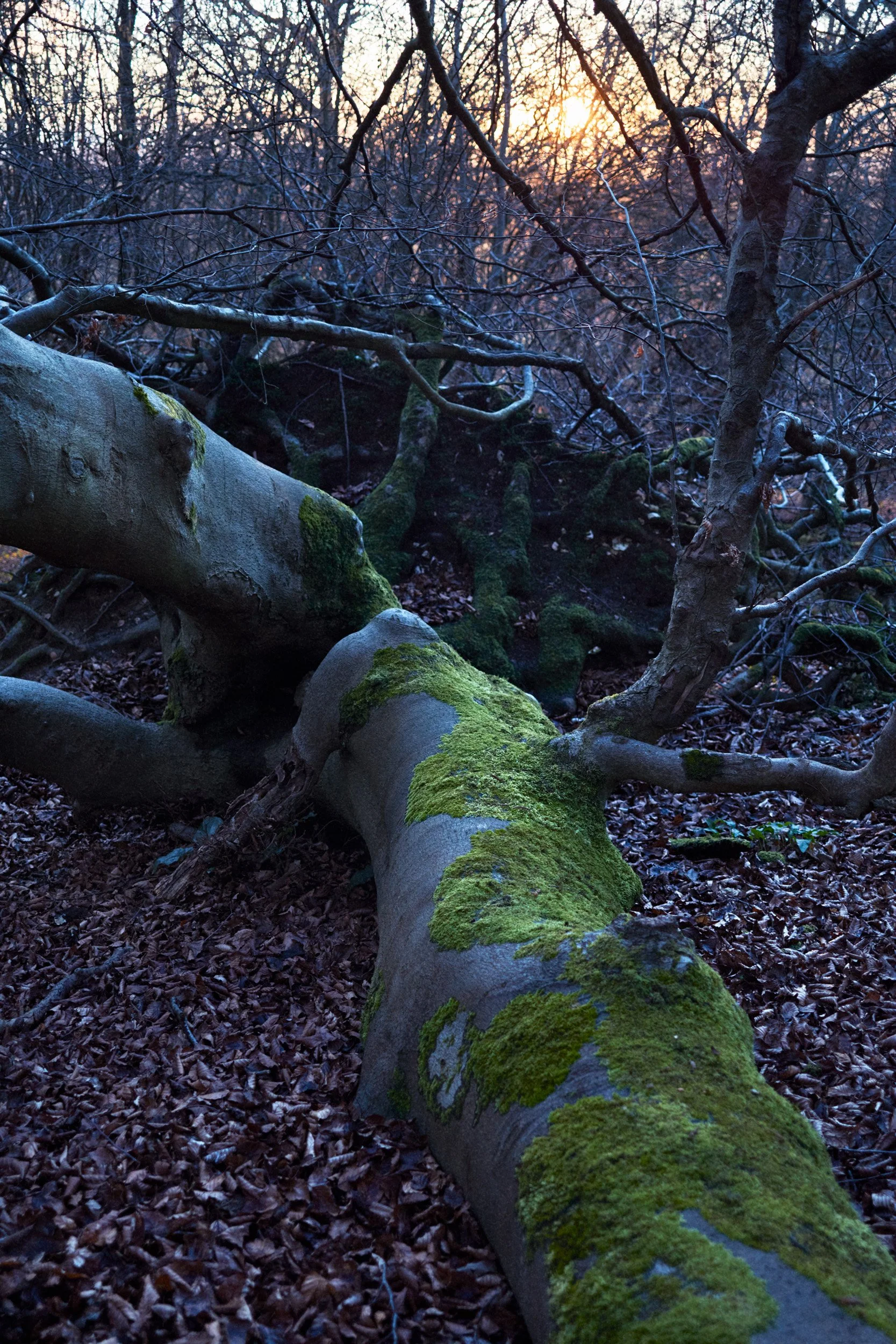
Navigation became a process of slowing down: taking longer, looking closer and sensing the presence of the landscape. Rather than passing through space, the focus shifted to paying attention to it. The aim became one of intentional disorientation, using natural elements to find a way back to an identifiable landscape. This involved relying on landmarks and memory, the feel of the wind, and subtle natural indicators - meandering rivers, moss on fallen trees, the position of the sun and moon, and distant, subtle sounds.
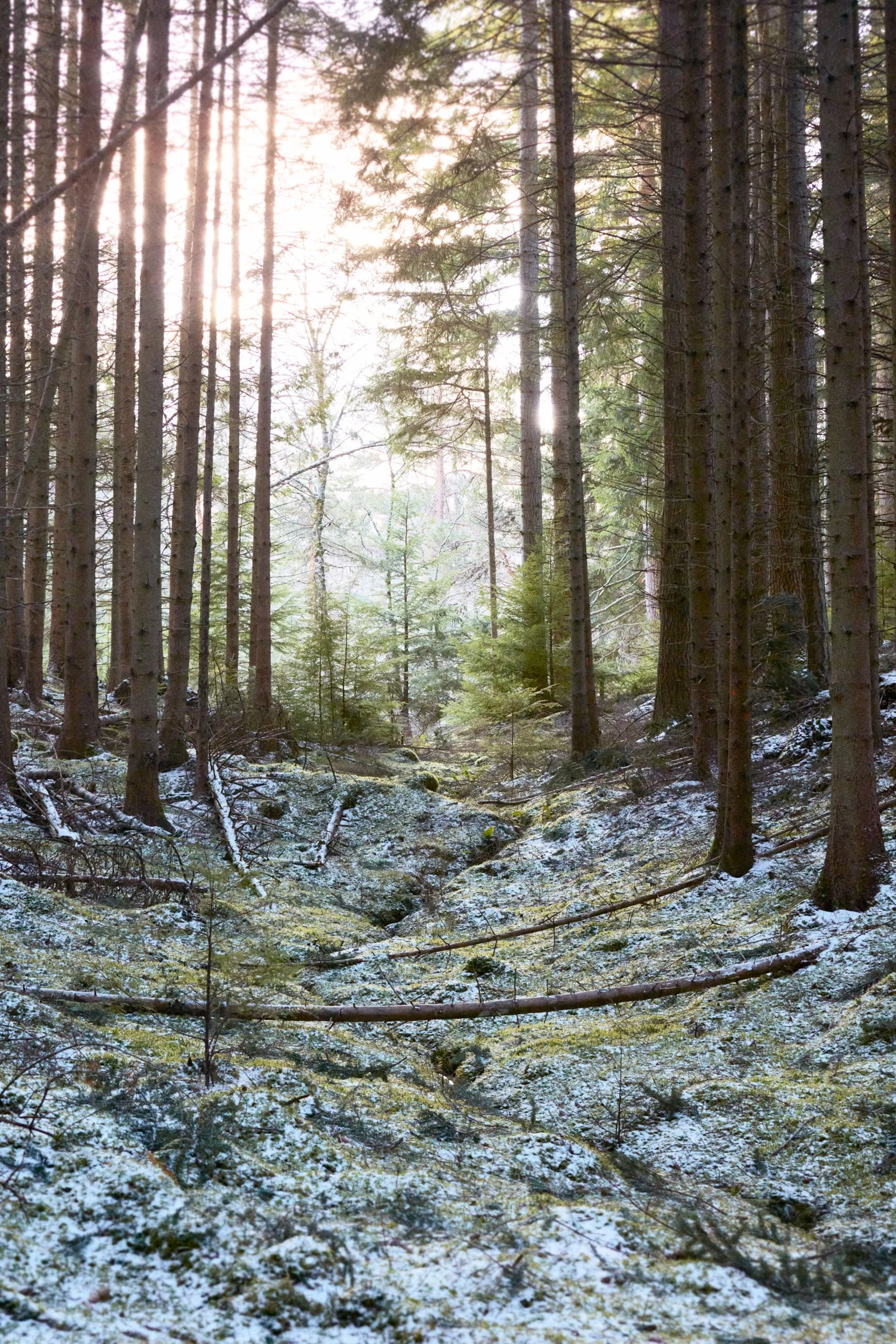
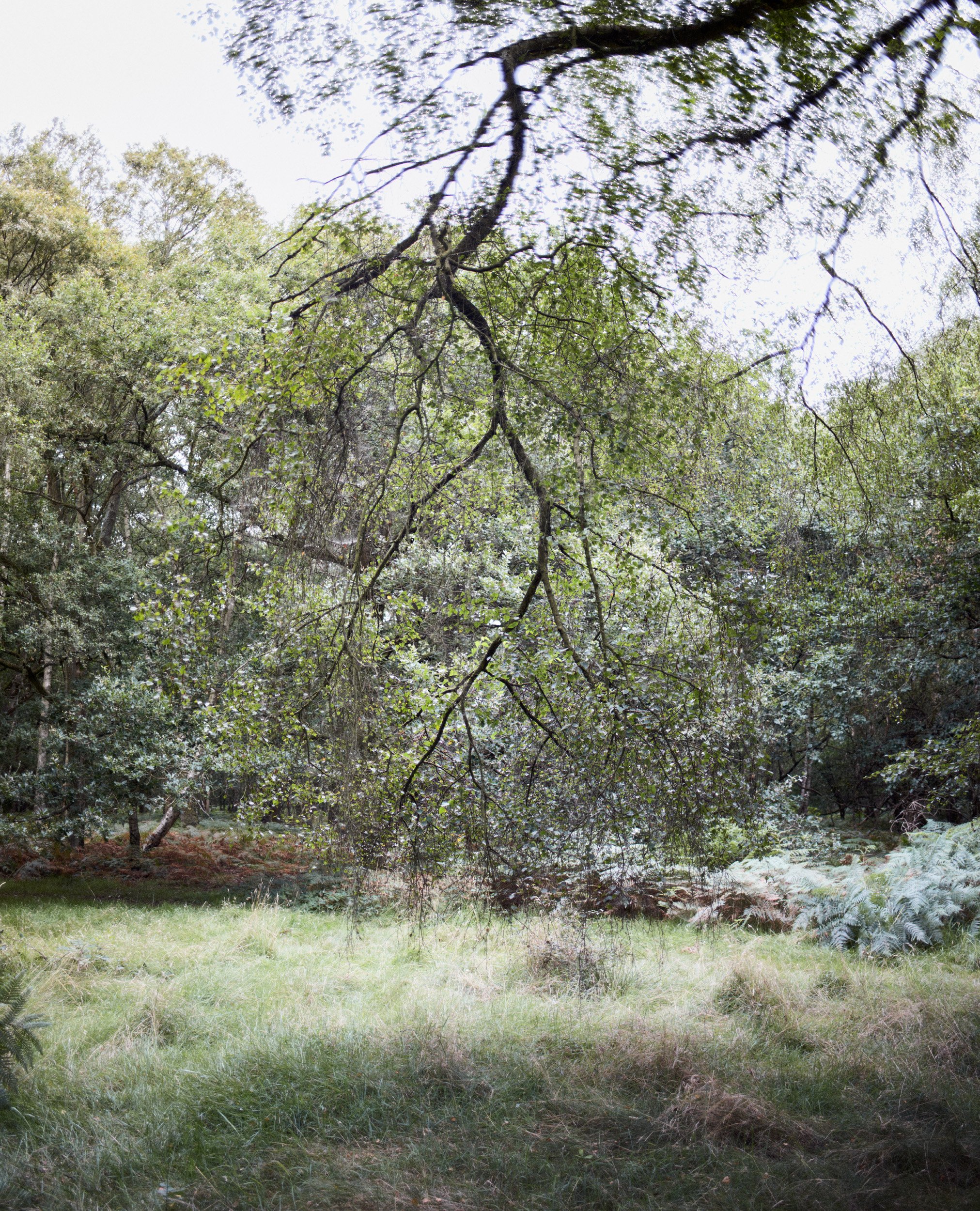
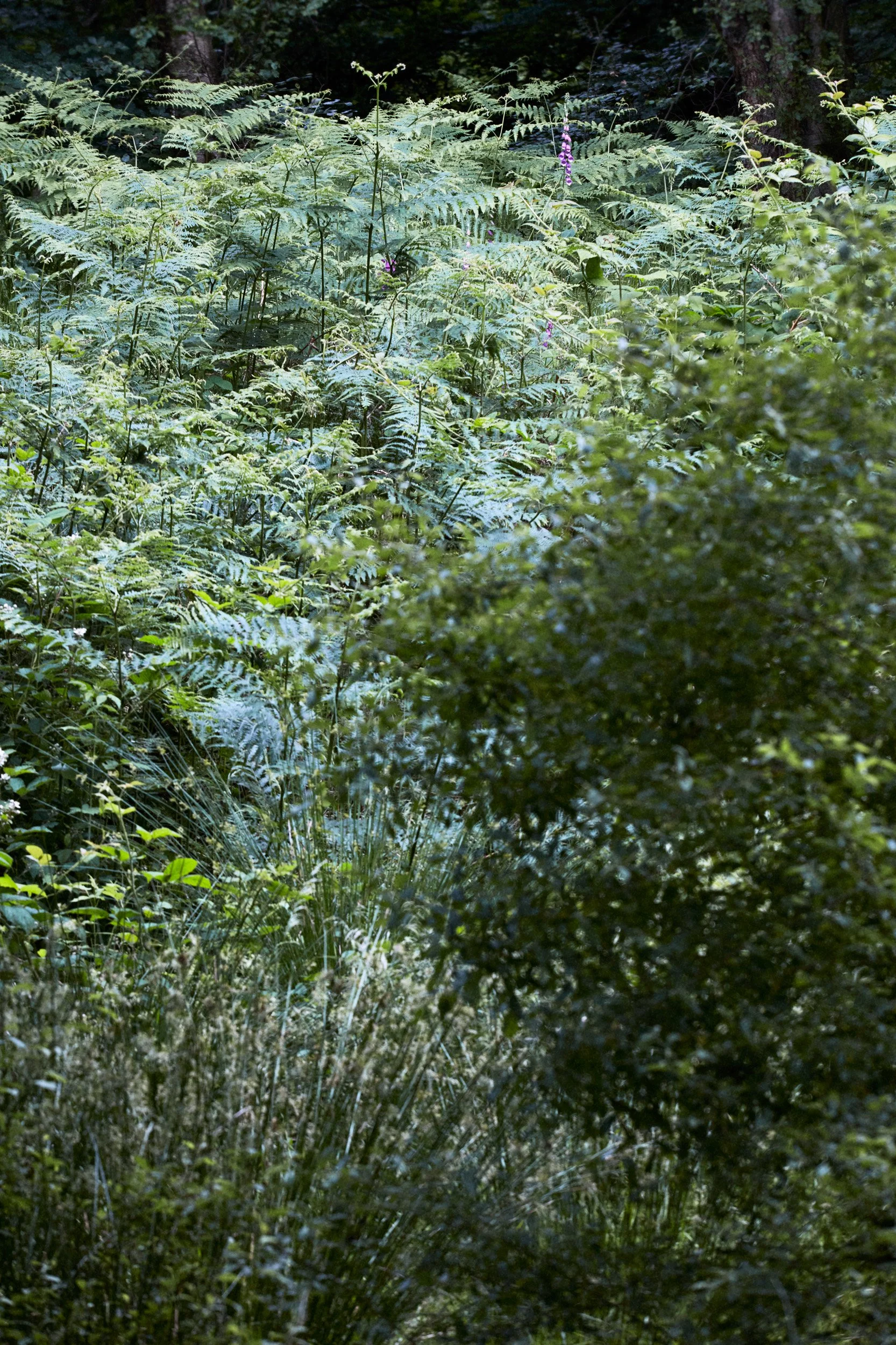
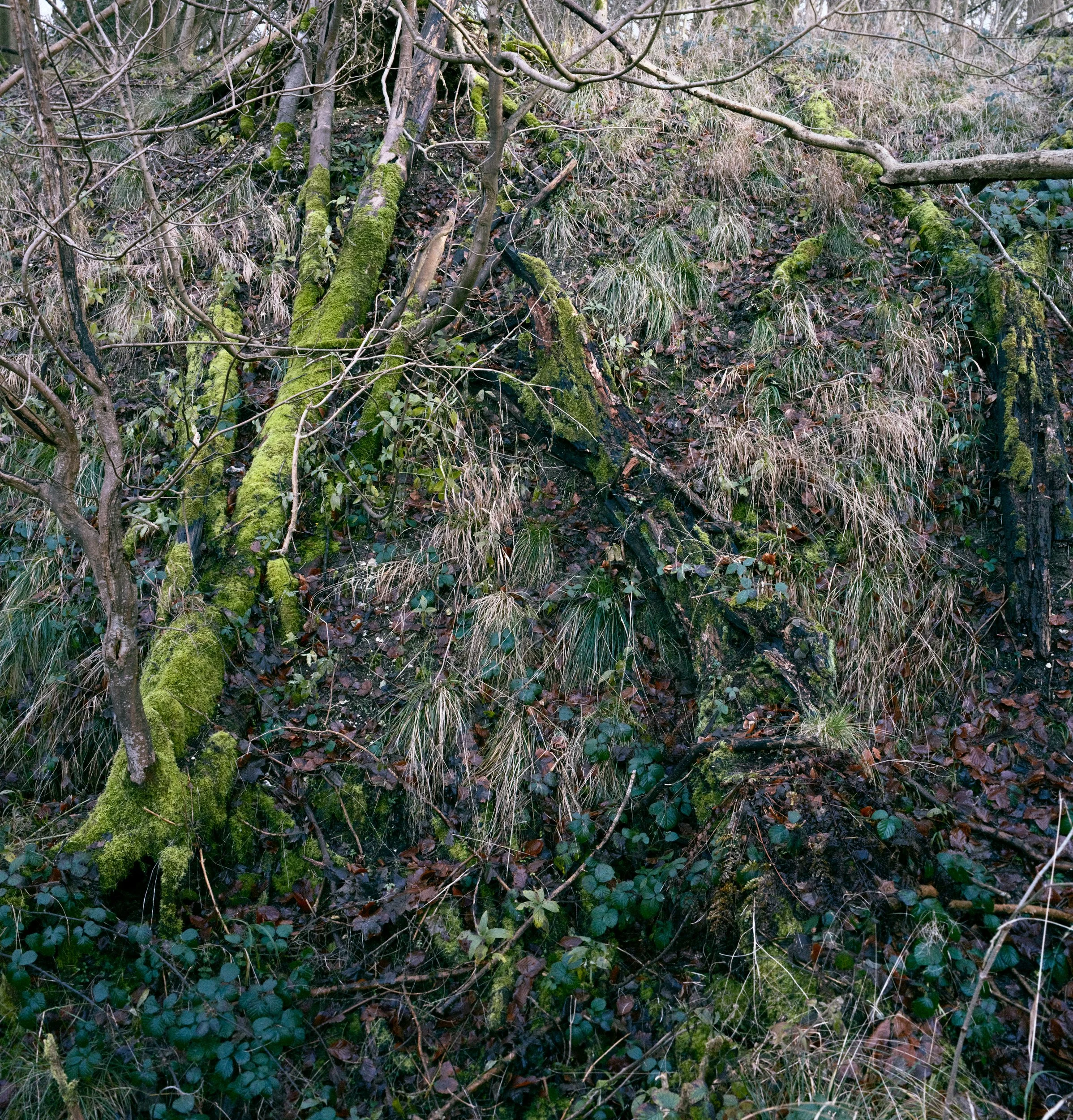
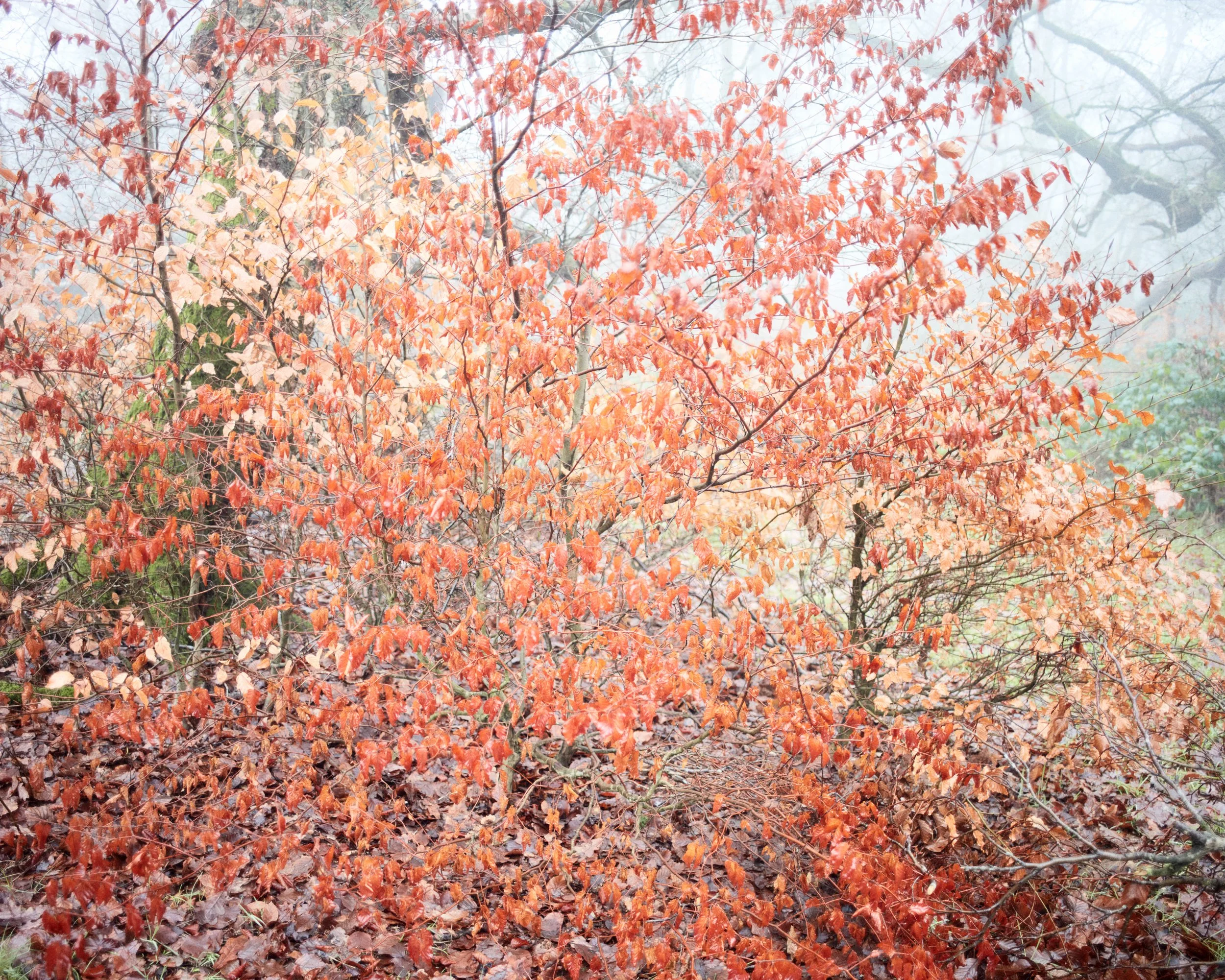
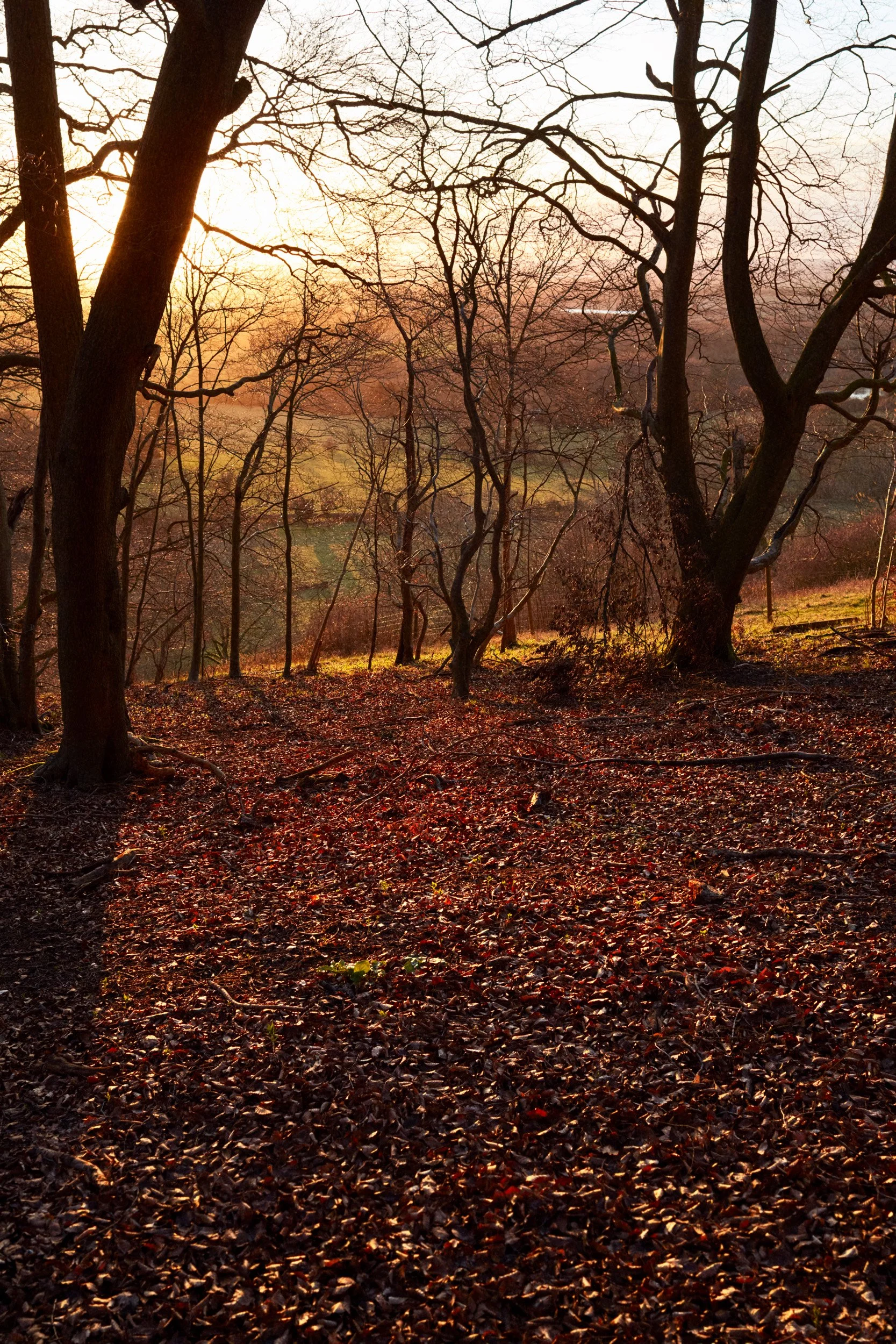
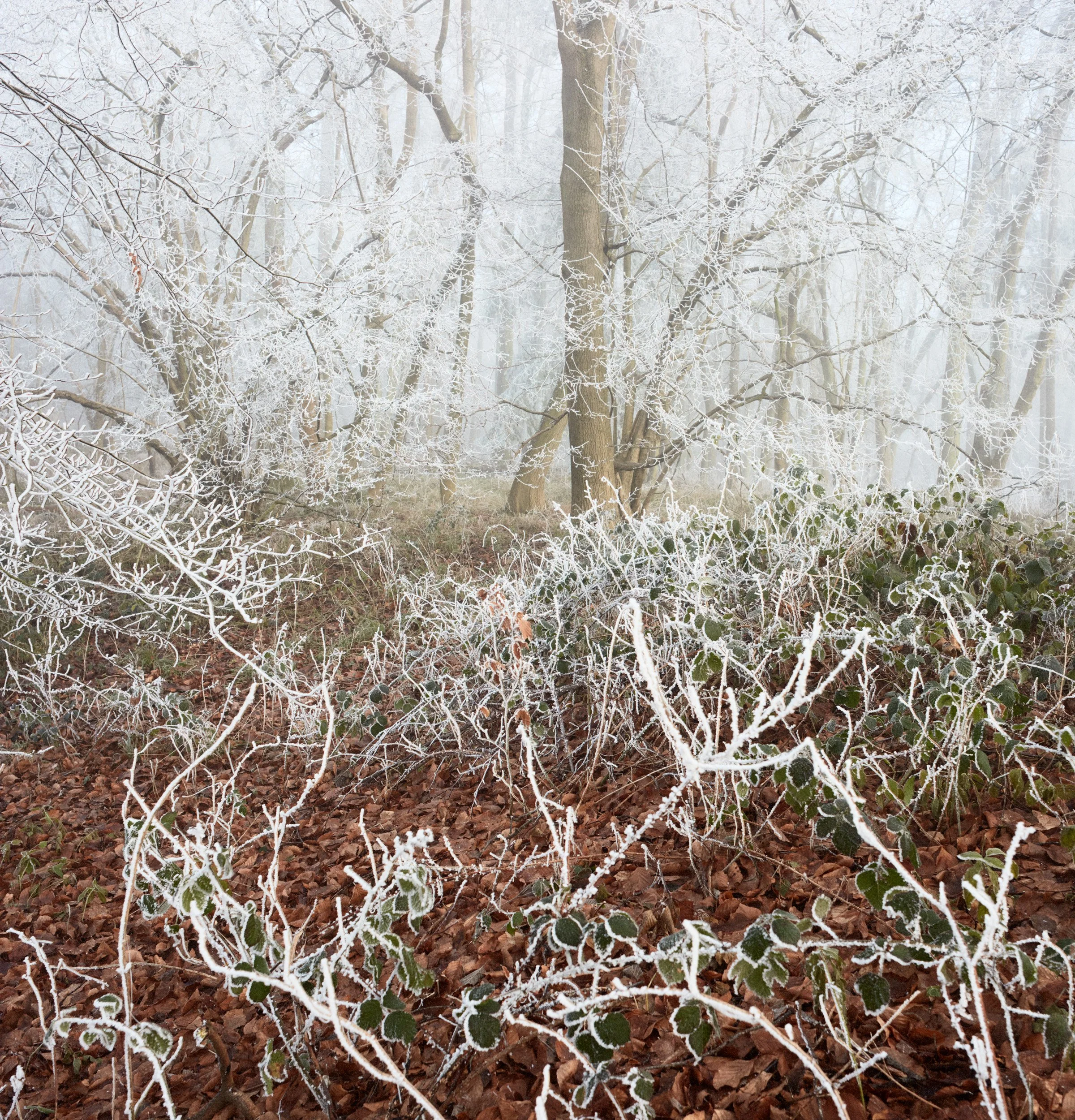
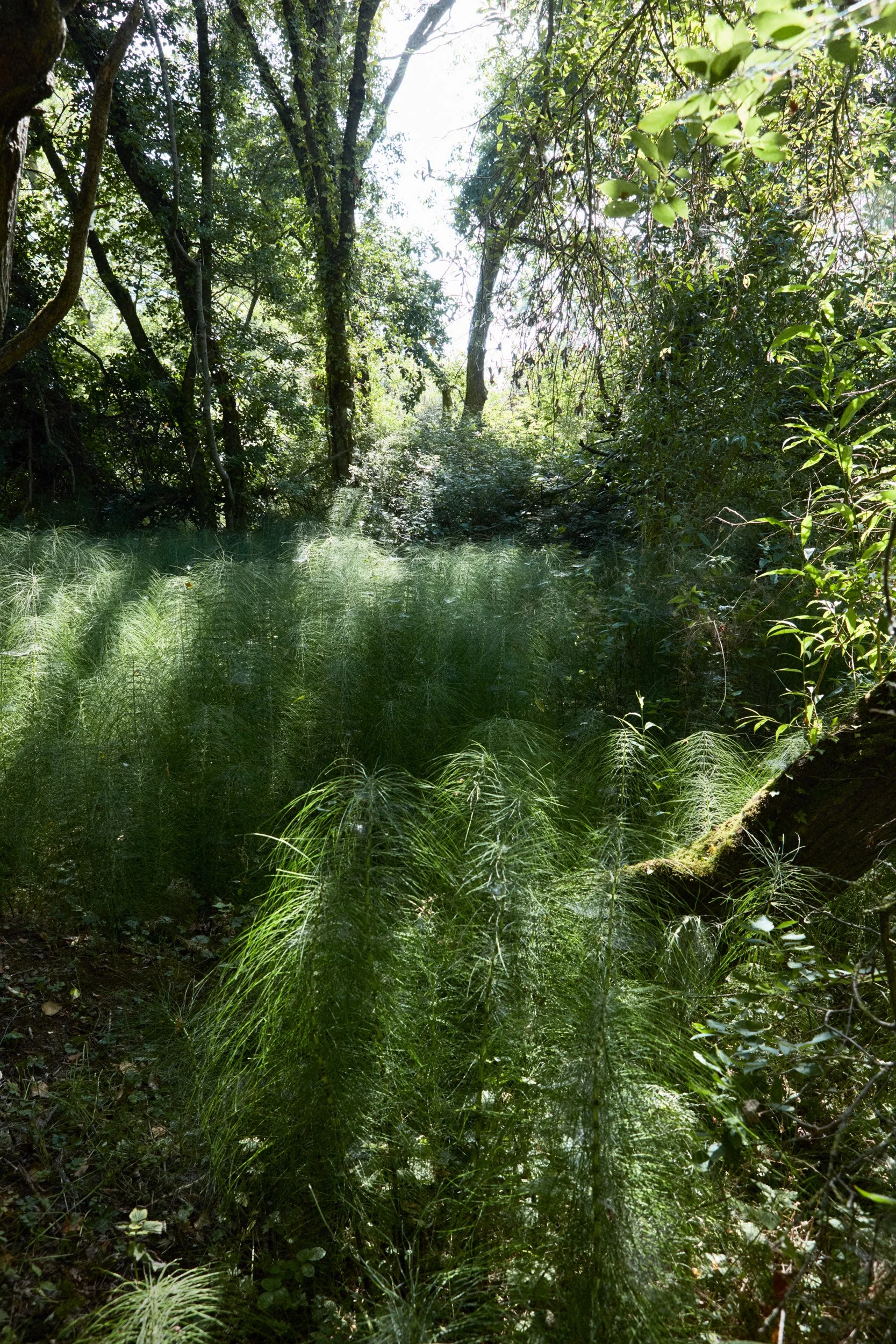
The woodland became a central environment for this exploration. Often, venturing just a few metres from a known trail introduced feelings of discomfort and disorientation, prompting a turn to the unknown. It was in these moments, through embracing being lost and unsettled, that the work began to emerge.
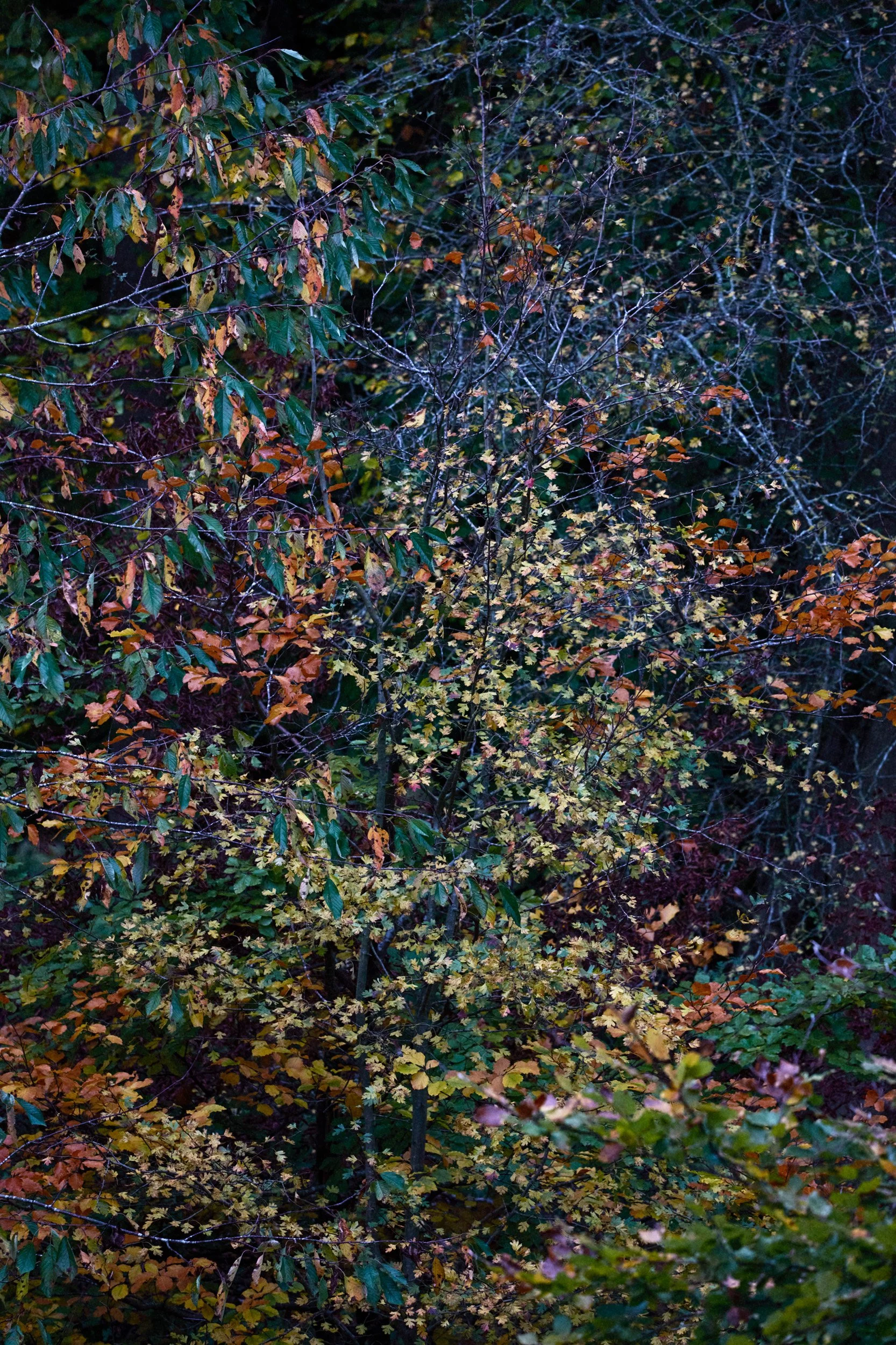
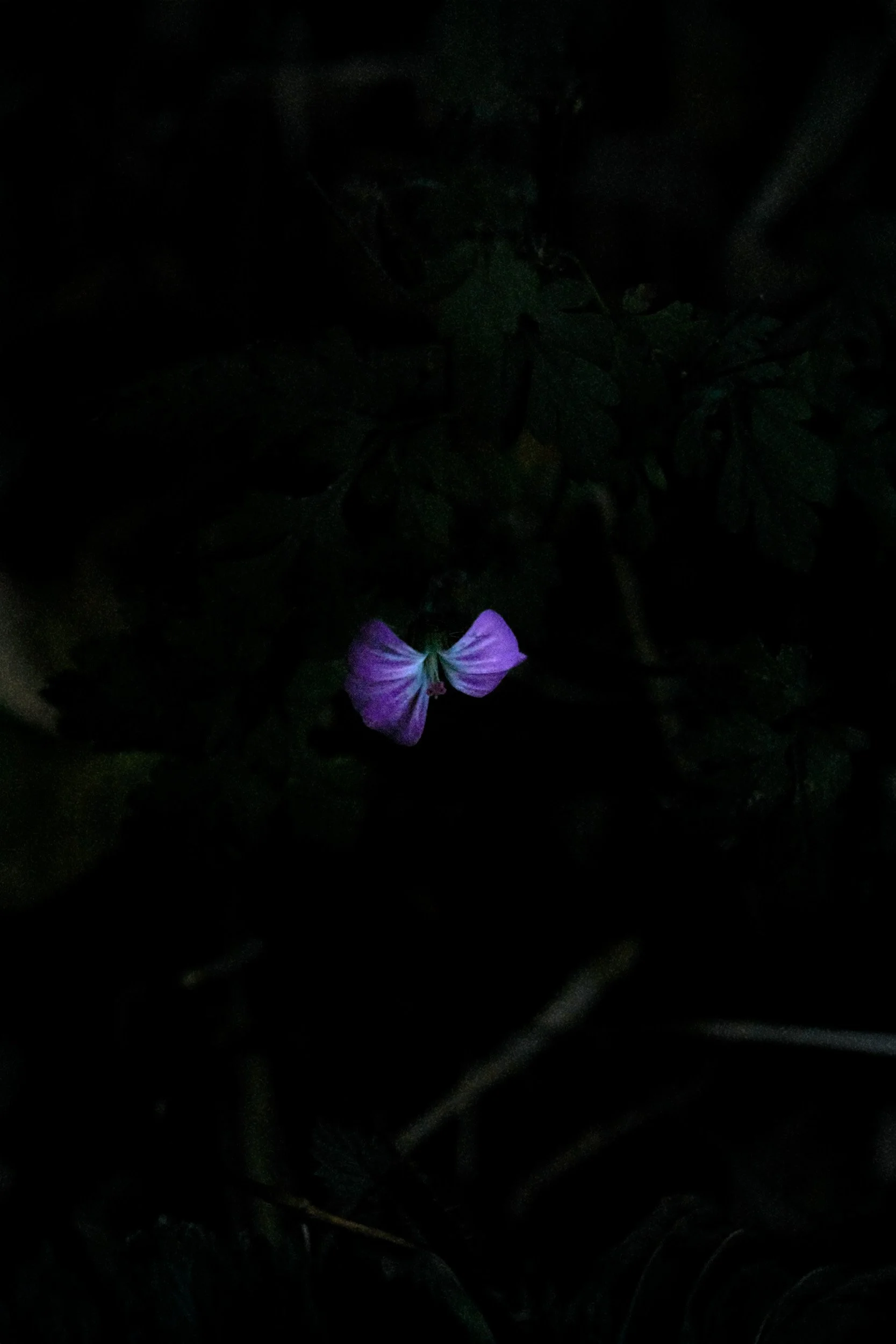
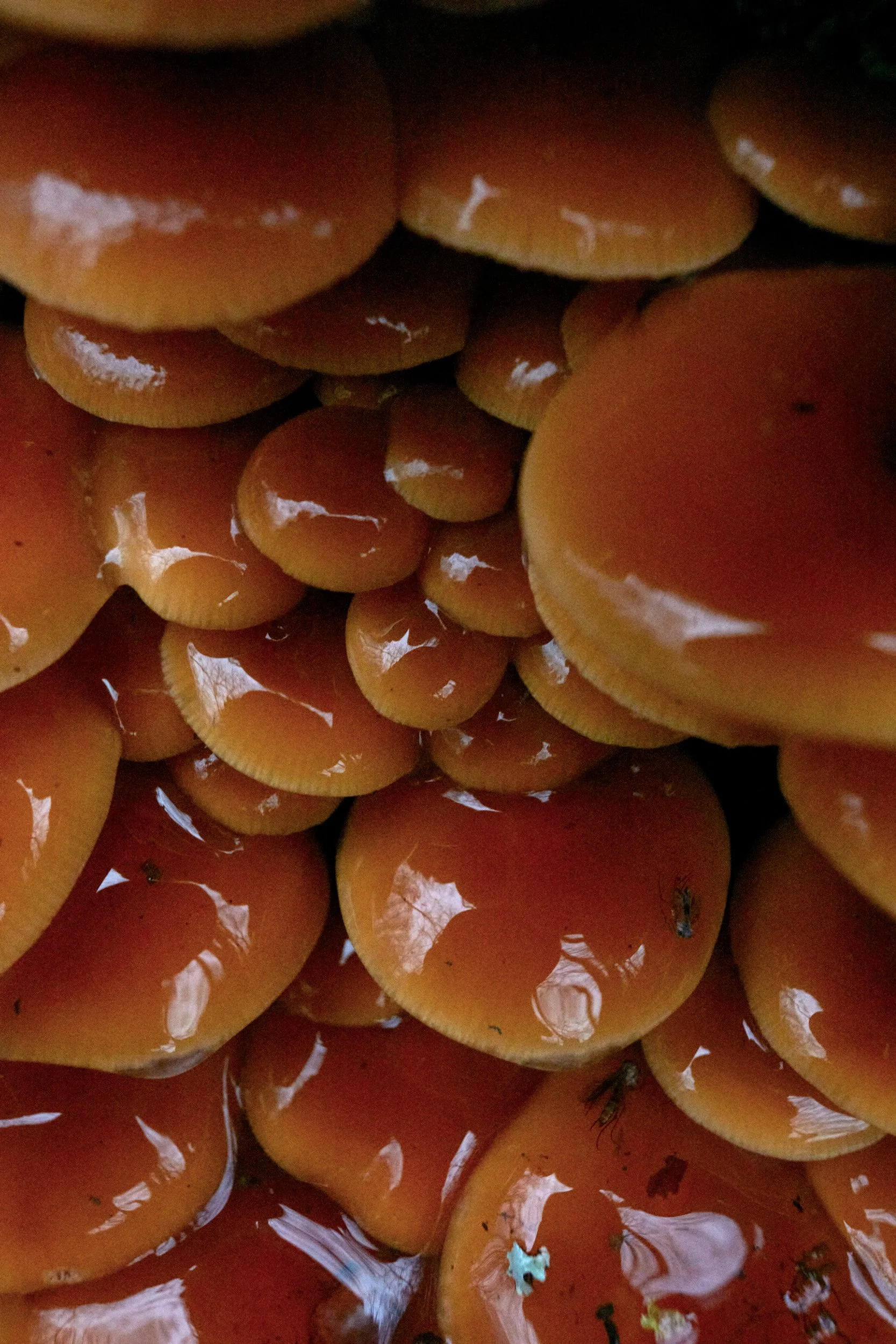
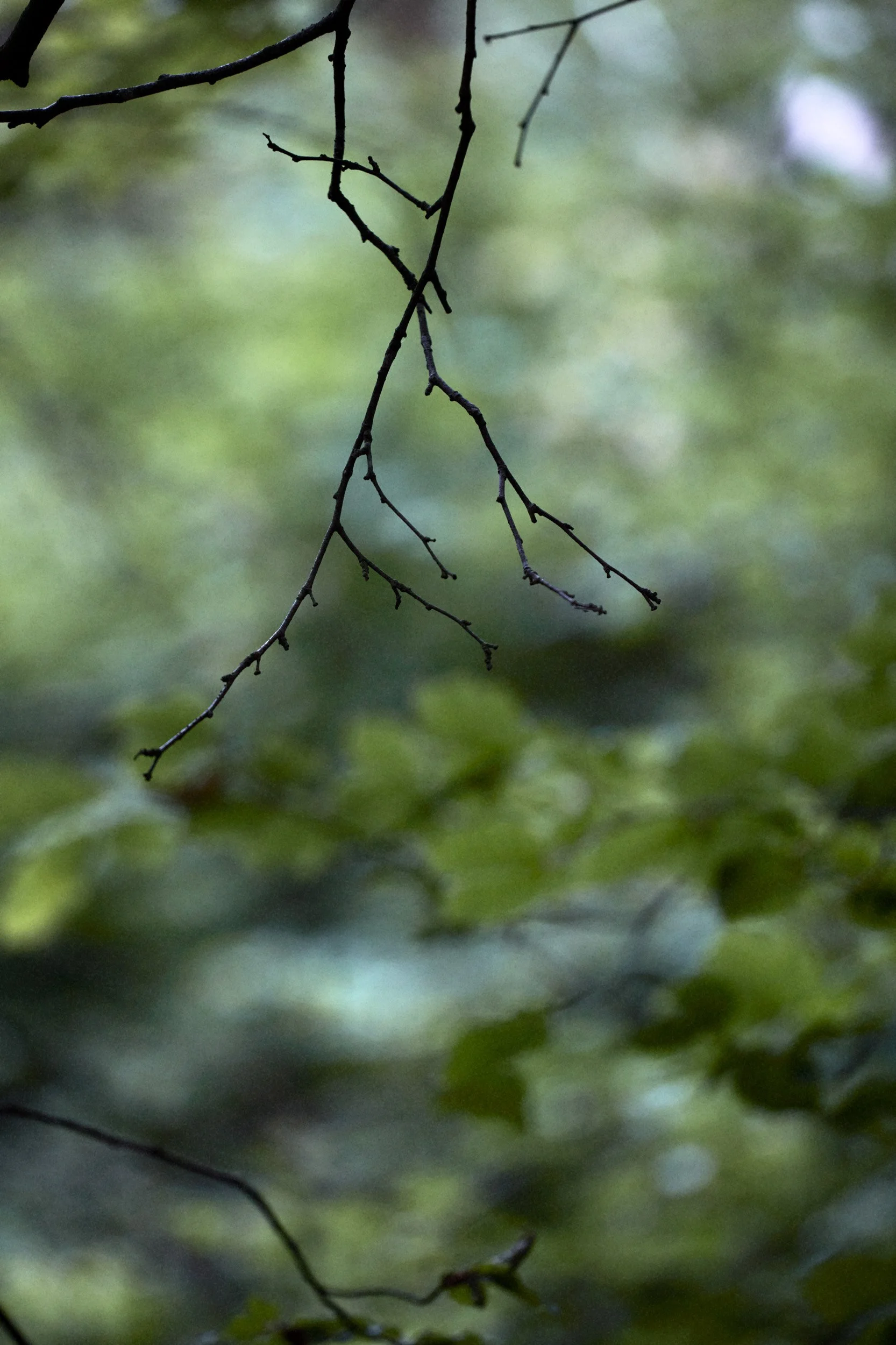
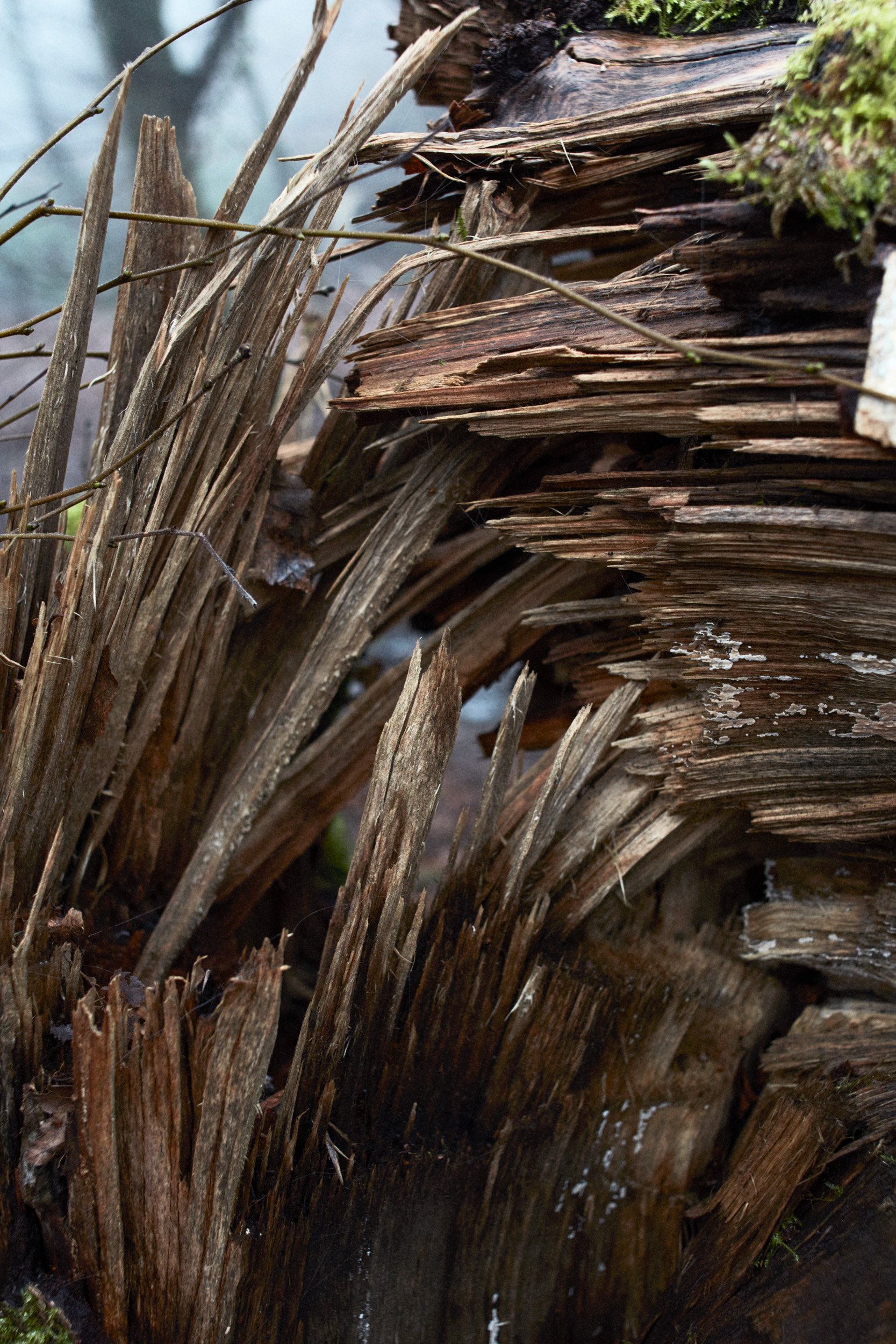
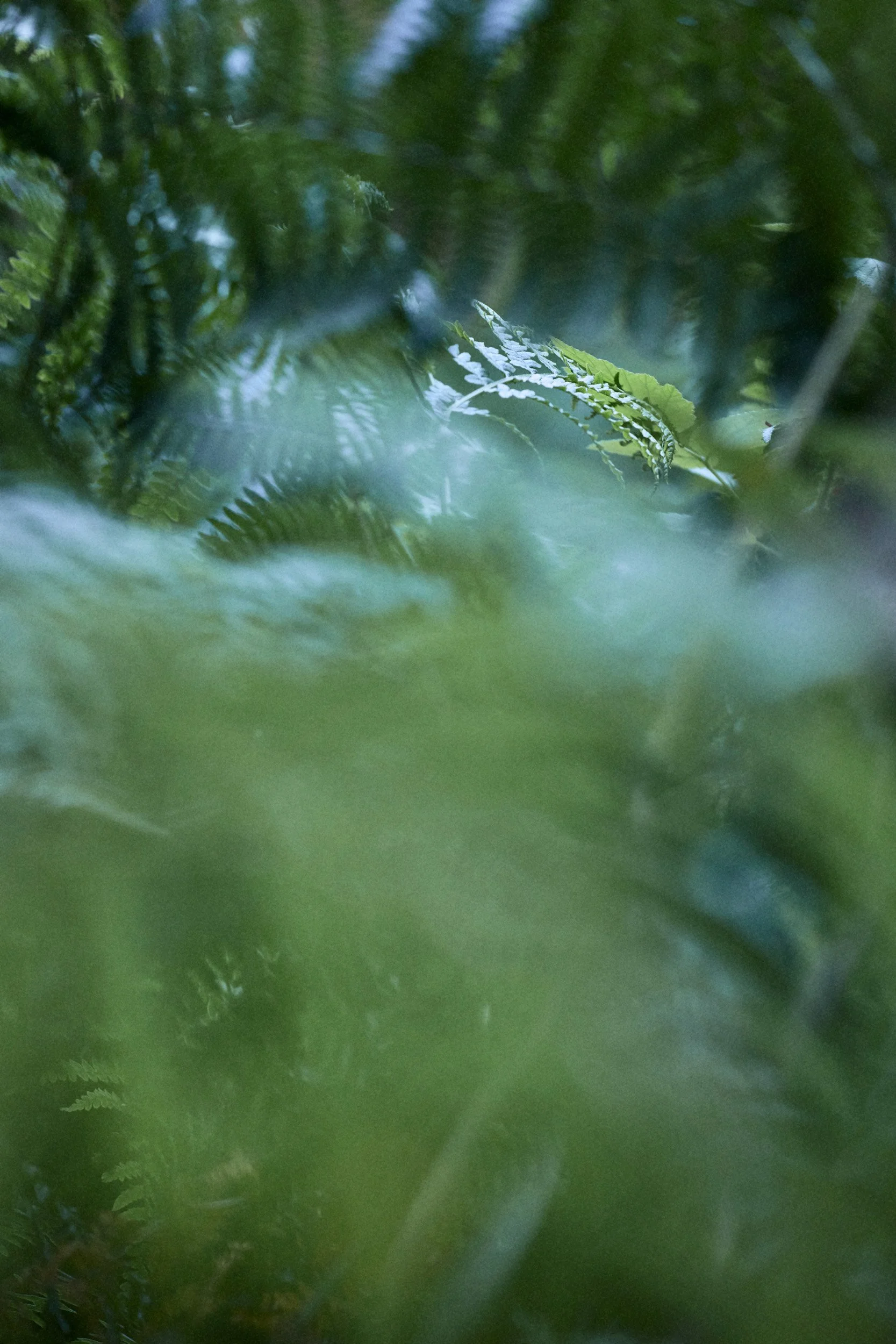
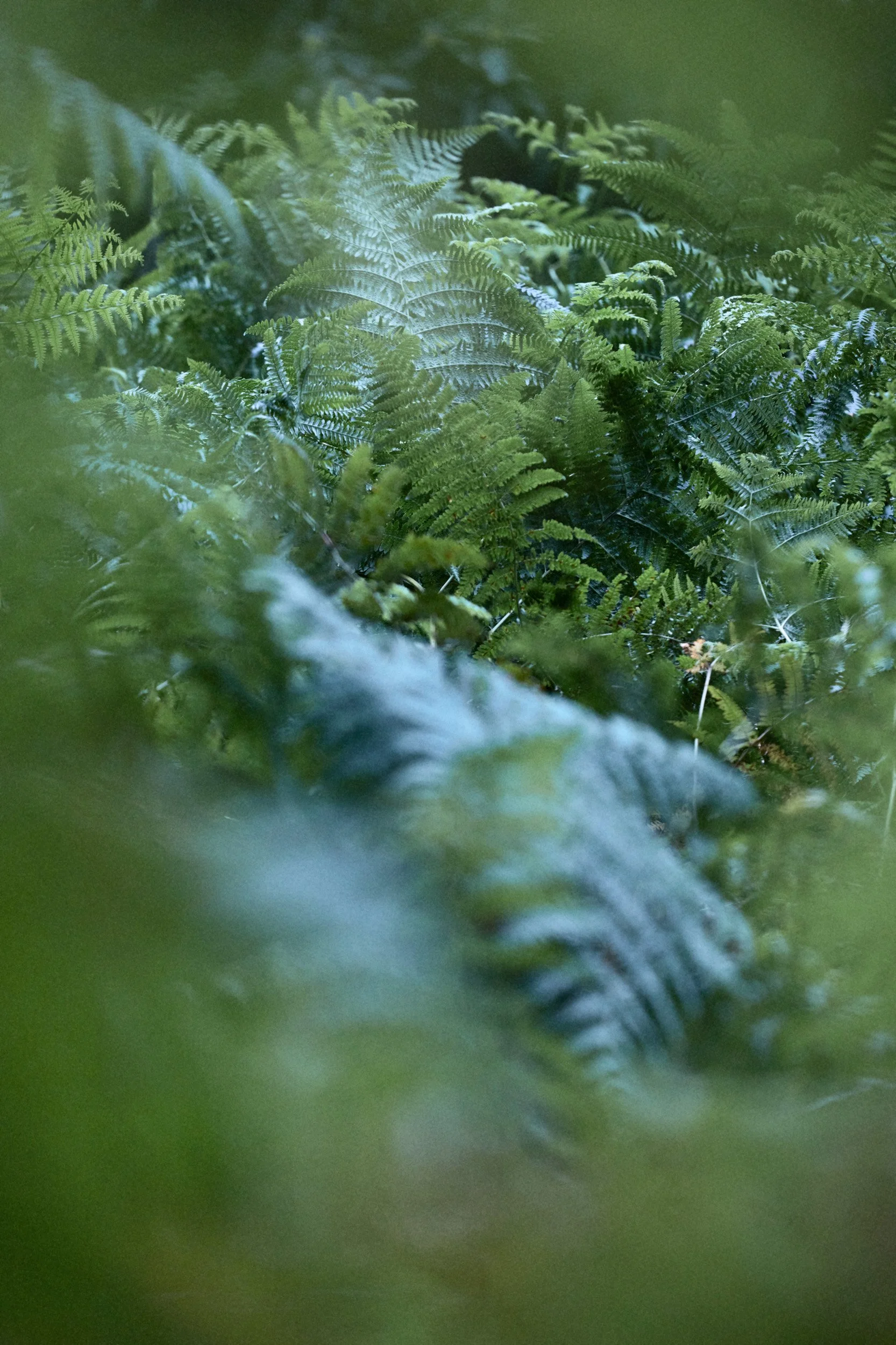
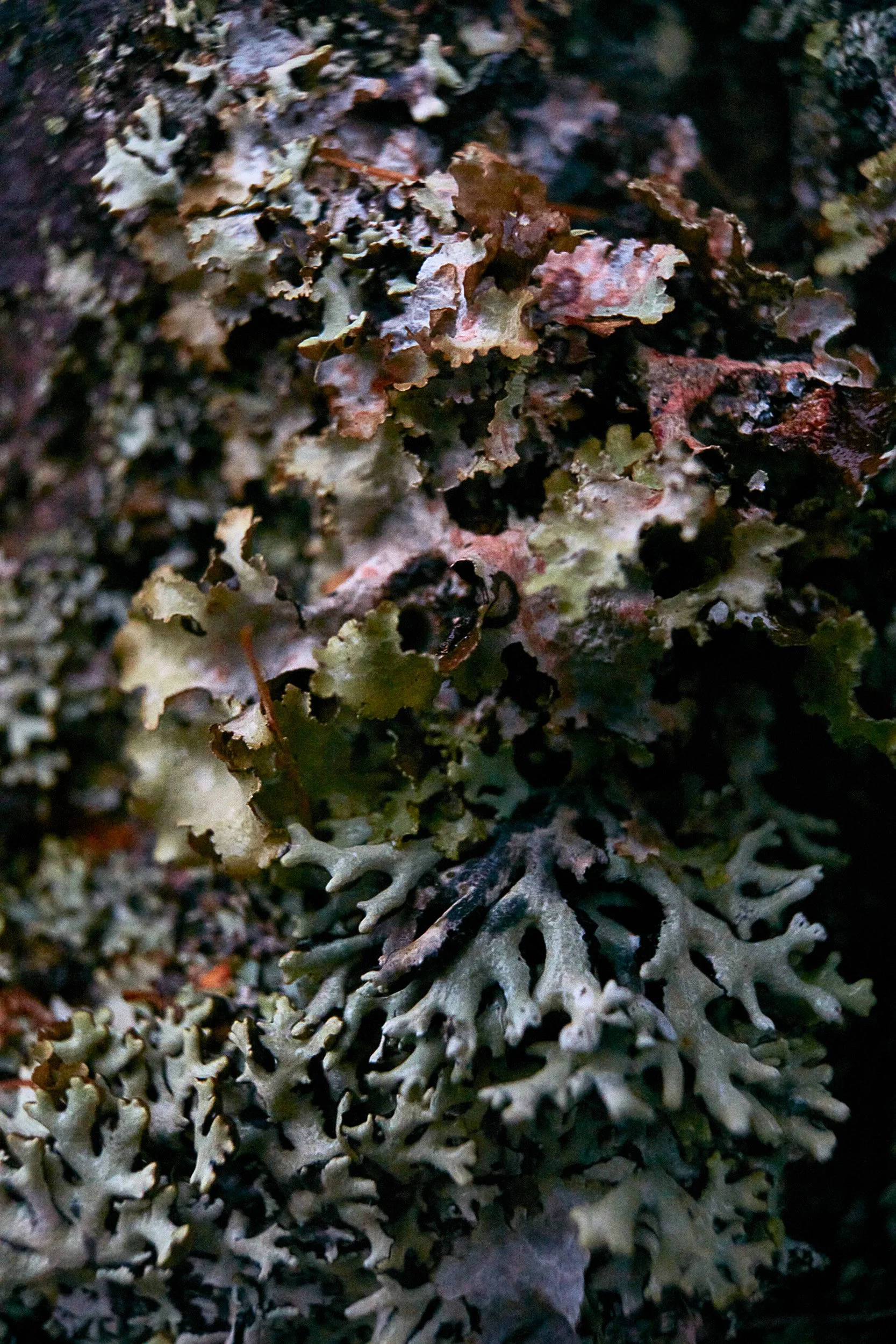
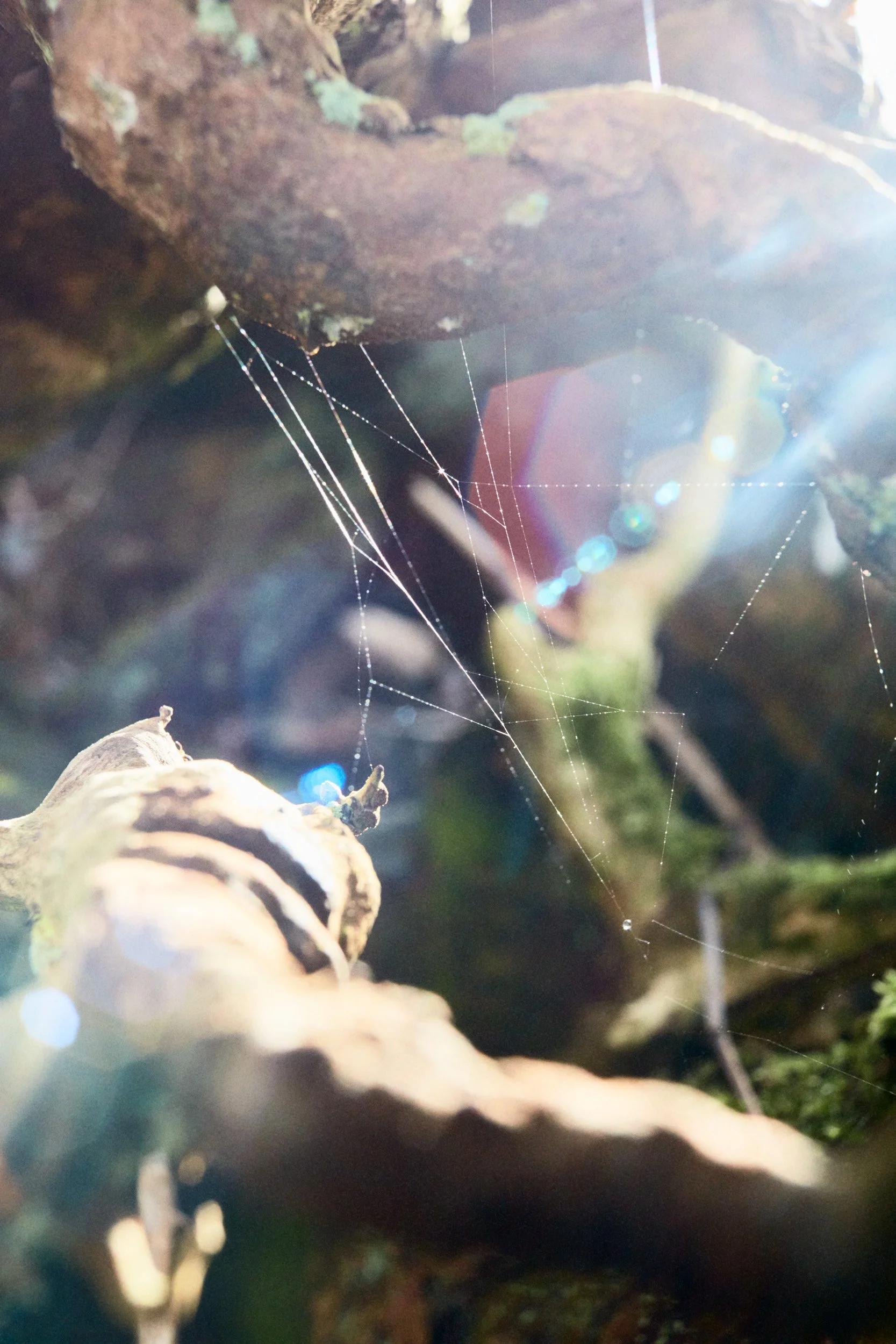
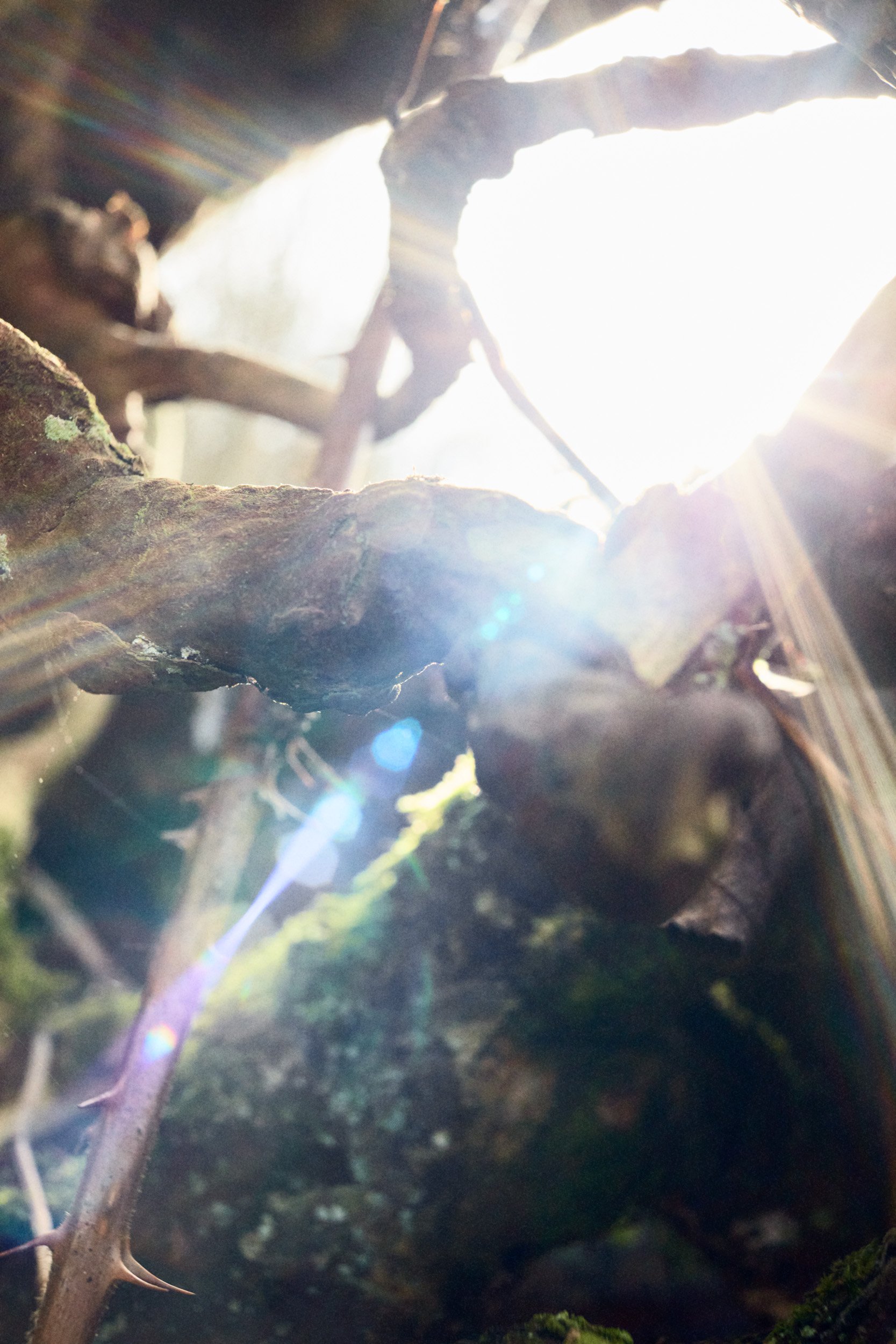
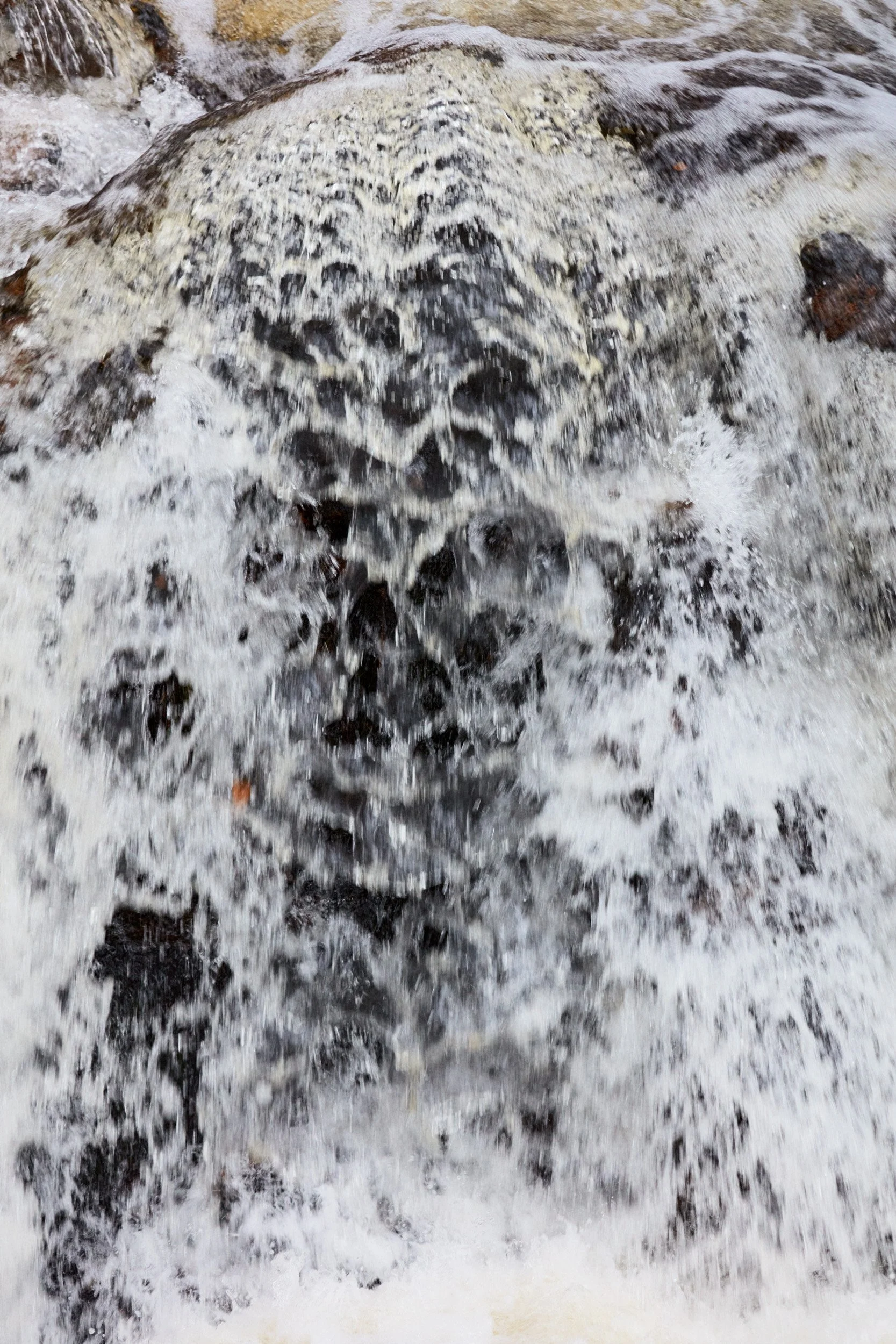
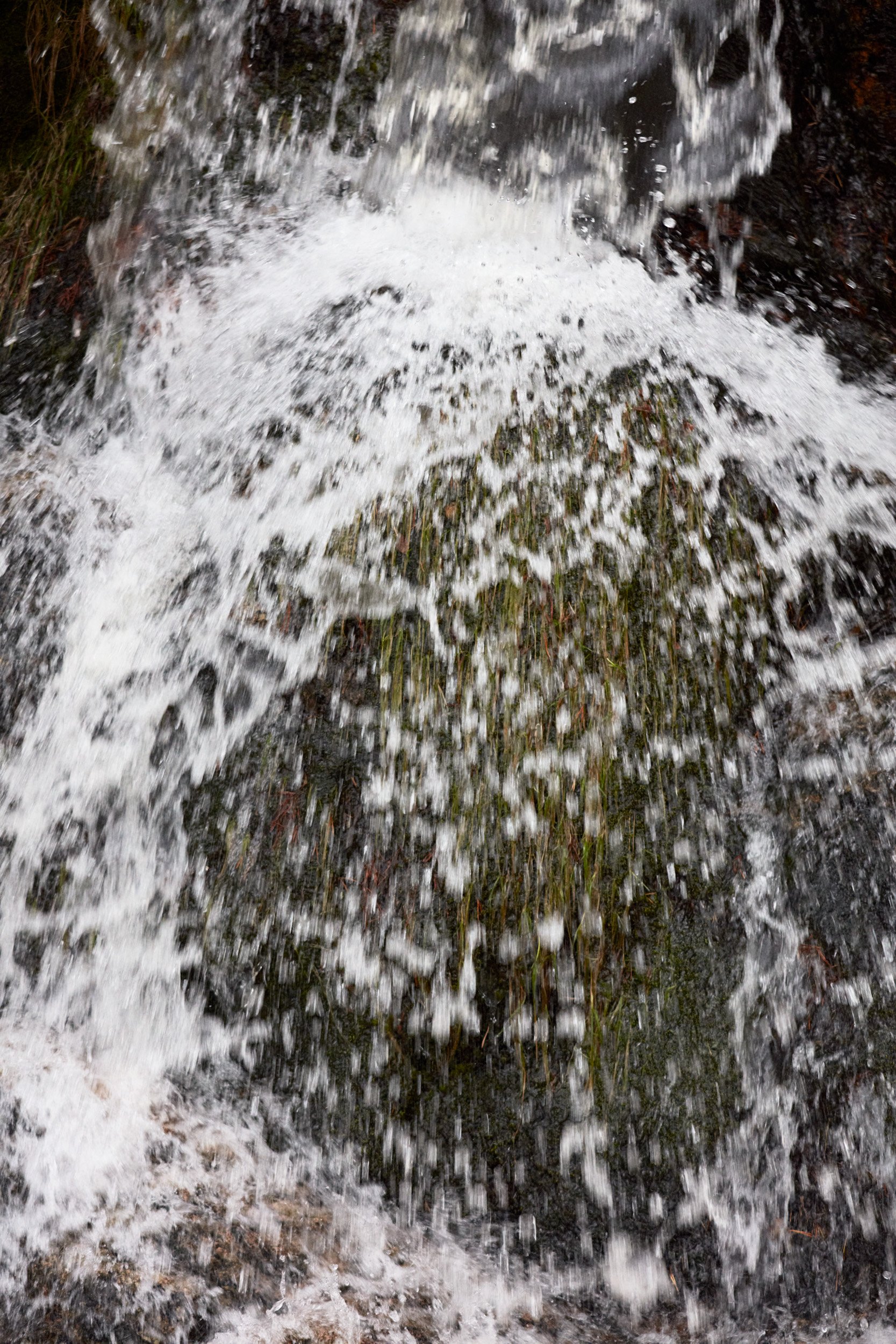
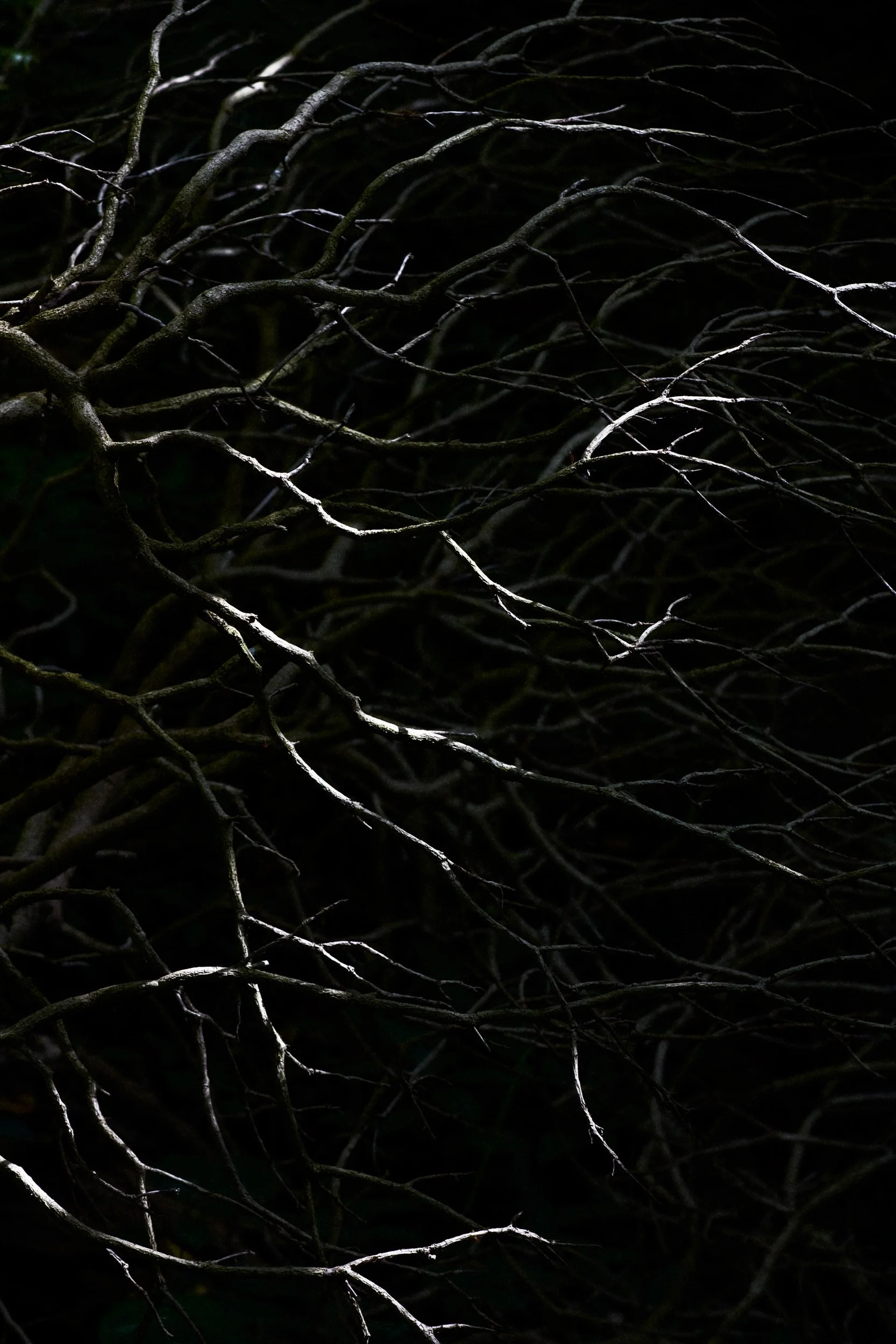
Attention gradually shifted towards the details of the landscape, becoming immersed in shapes, patterns, and textures. This narrowing of focus created small, self-contained journeys, gateways into overlooked spaces. Returning from this tunnel vision to a wider view of the environment often brought a renewed sense of disorientation. Through this practice, getting lost became less a failure of navigation and more a method of seeing. The lost way often revealed itself as the most direct route into the landscape.